We are everything – and so much more.
A village near Podgorica. A battle in the summer of 1876. And a thousand years of Serbs, Albanians and everyone who called this place home living side by side.
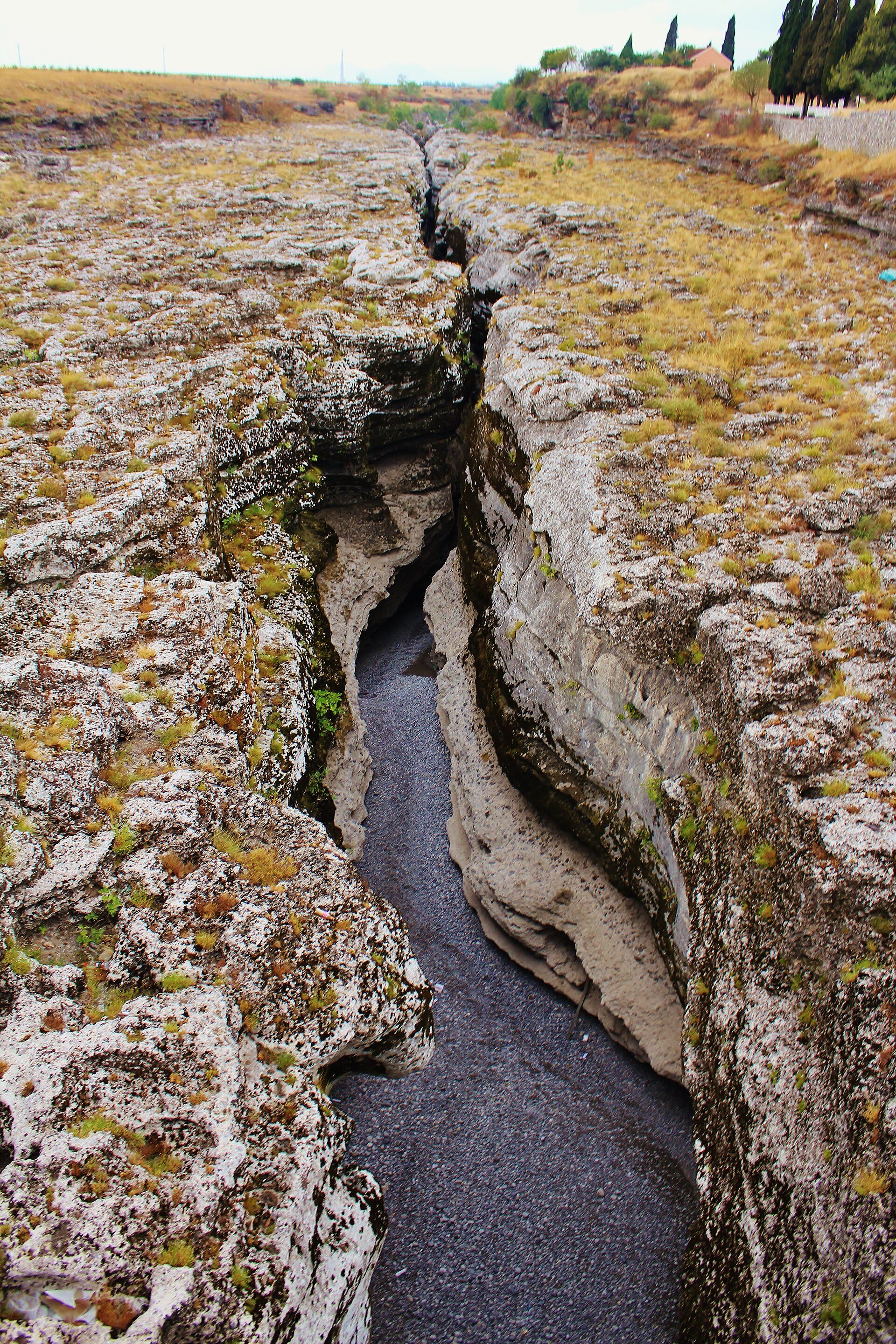
About Fundina – a village at the end and at the beginning
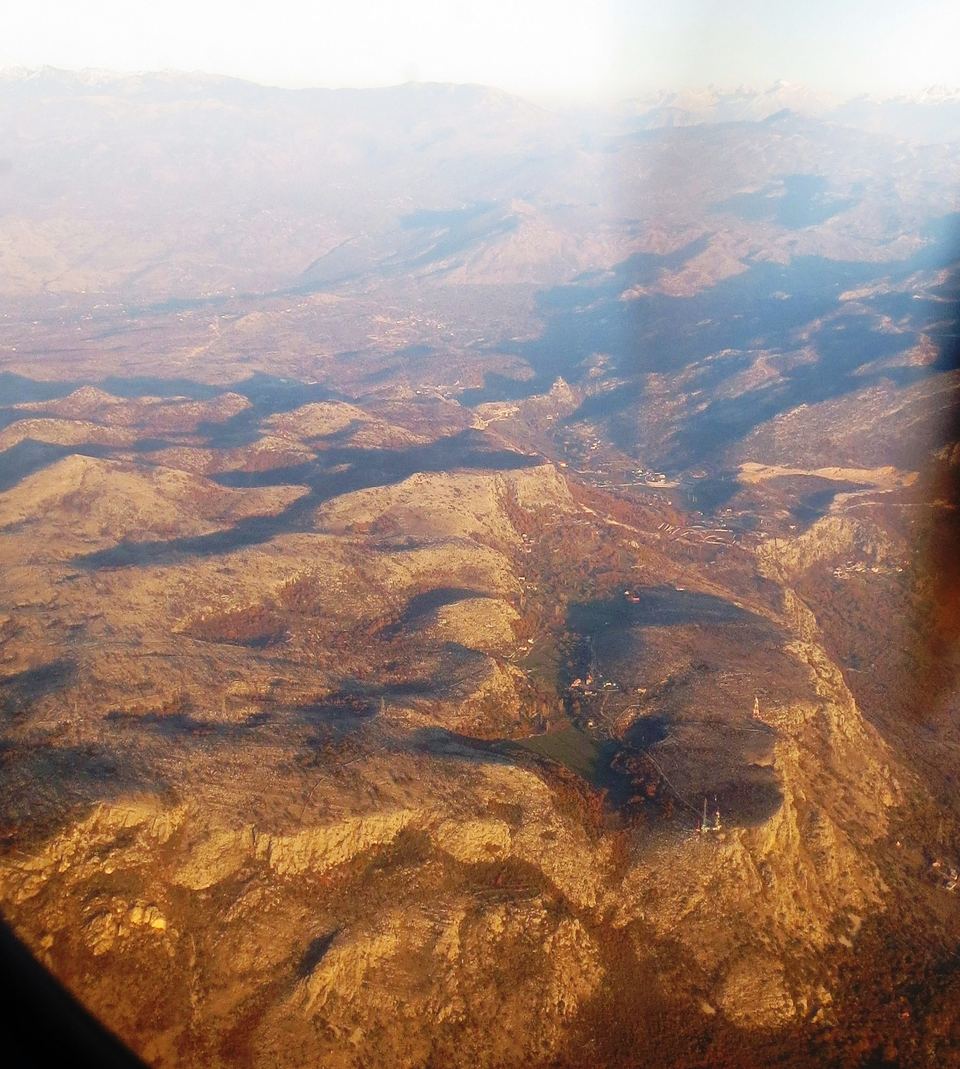
Fundina lies a few kilometres north-east of Podgorica, in the land of the Kuči, where the mountains rise towards the Albanian border and the Cijevna river cuts its way through the rock. A small village: at the 2011 census 237 people lived here – Albanians, Montenegrins and Serbs, door to door.
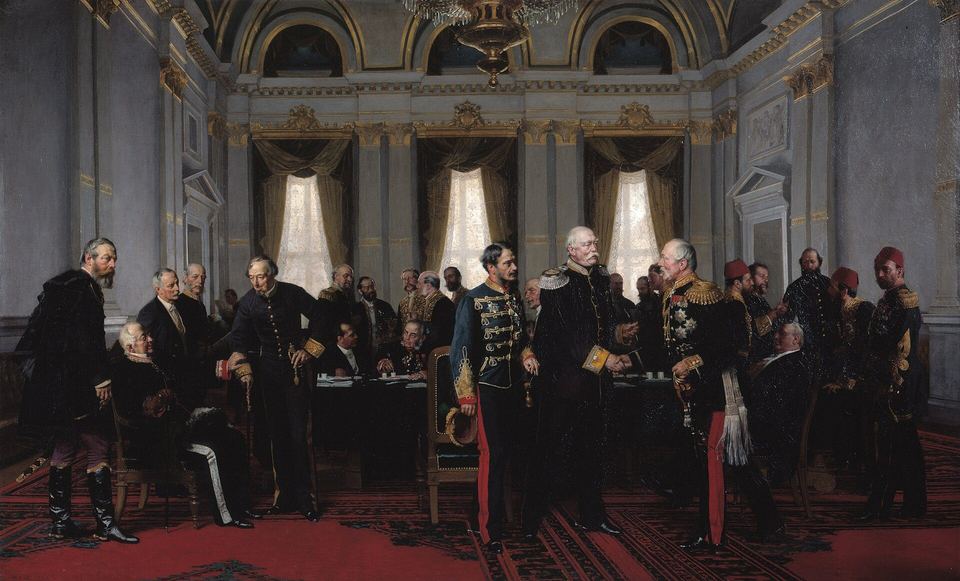
The name is usually derived from Albanian: fund means “end”. For centuries Fundina was a place on the edge – on the edge of empires, of tribal lands, of languages. Only in 1880, after the Congress of Berlin, did the village become part of Montenegro. And yet, like so many border places, it is not an end but a beginning: a place where worlds touch.
Montenegro – between the mountains and the sea
Hardly any country in Europe is so small and at the same time so mighty. On barely 14,000 square kilometres – smaller than Schleswig-Holstein – sea and high mountains, primeval forest and canyon lie so close together that you can swim in the Adriatic in the morning and stand in the snow of the Durmitor in the afternoon. The country owes its name to the “black mountains”: Crna Gora, Mali i Zi, Montenegro – darkly wooded, steep, wild.
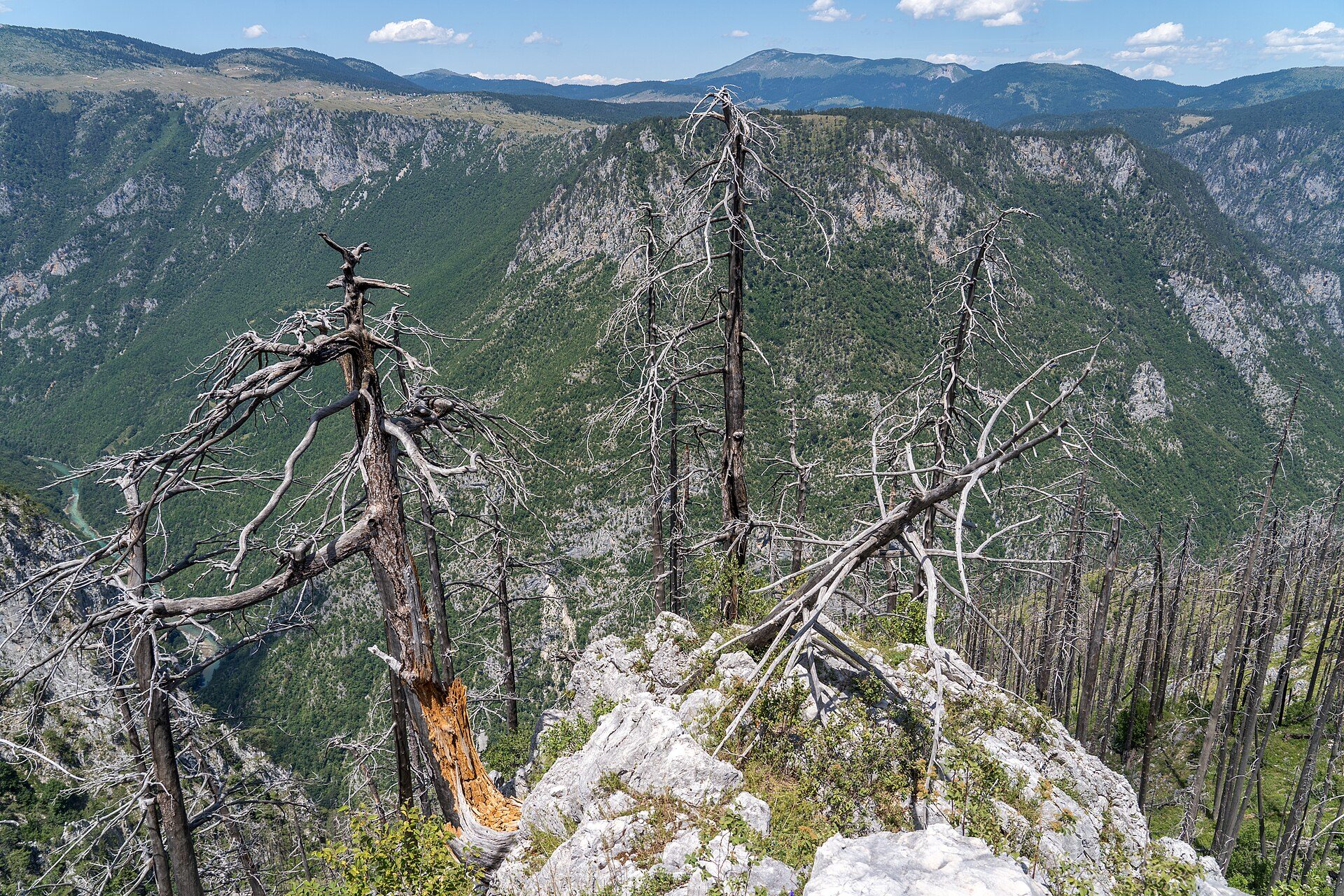
In the north rises the Durmitor, with Bobotov Kuk (2,523 m), the Black Lake and the Tara Canyon – at up to 1,300 metres the deepest canyon in Europe; the national park is a UNESCO World Heritage Site. In Biogradska Gora National Park stands one of the last primeval forests in Europe, while in the south the Prokletije, the “Accursed Mountains”, tower along the border with Albania. And over it all keeps watch the Lovćen, on whose summit the poet-prince Njegoš lies buried.
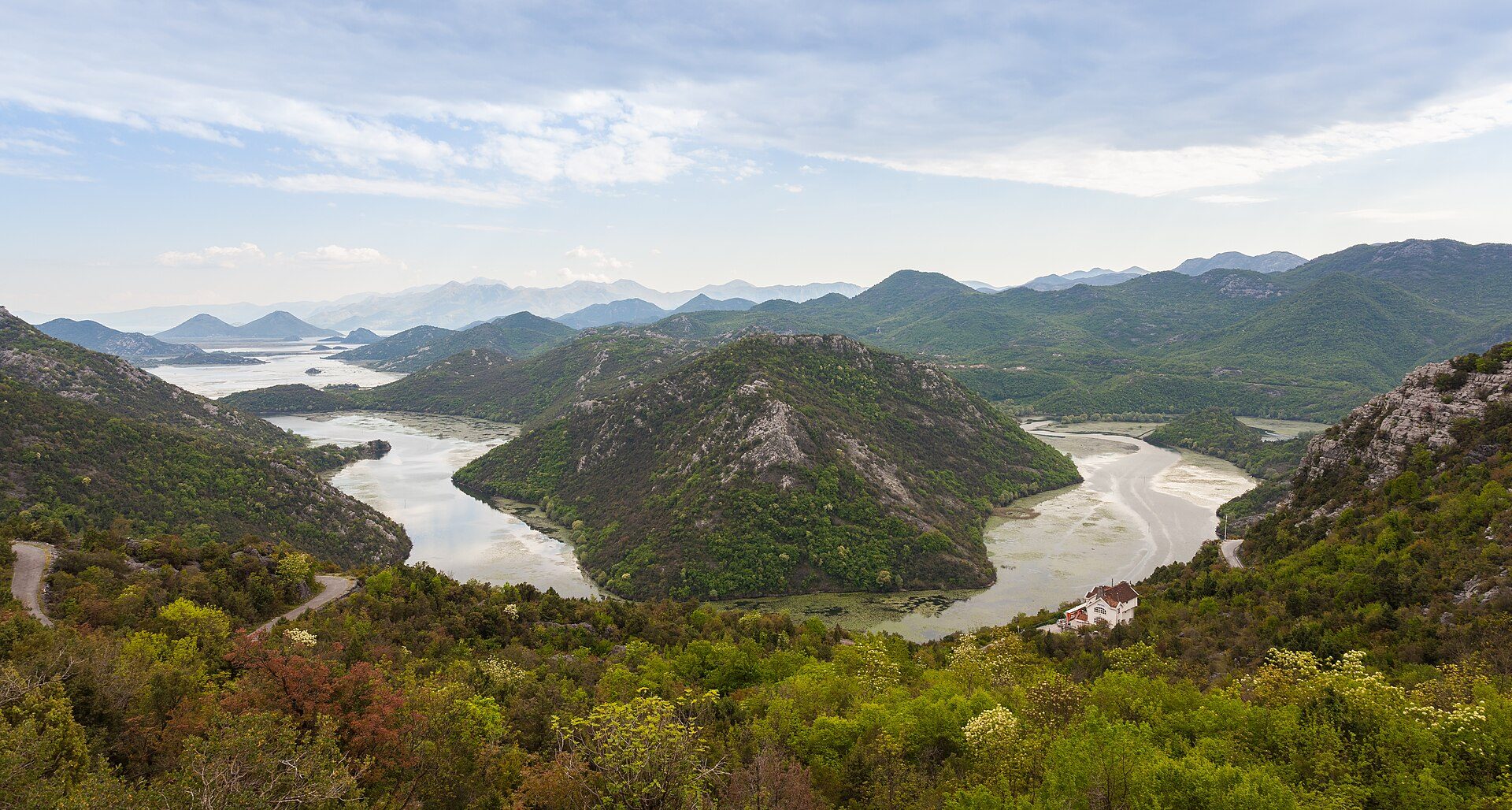
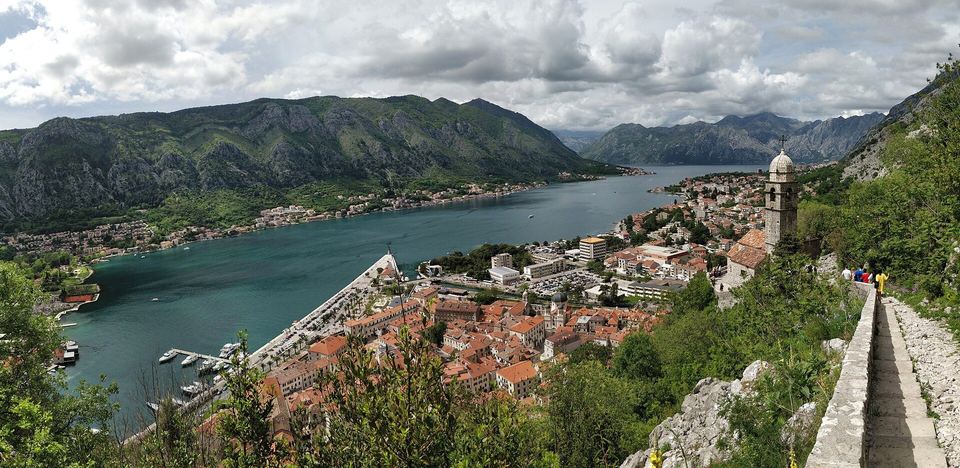
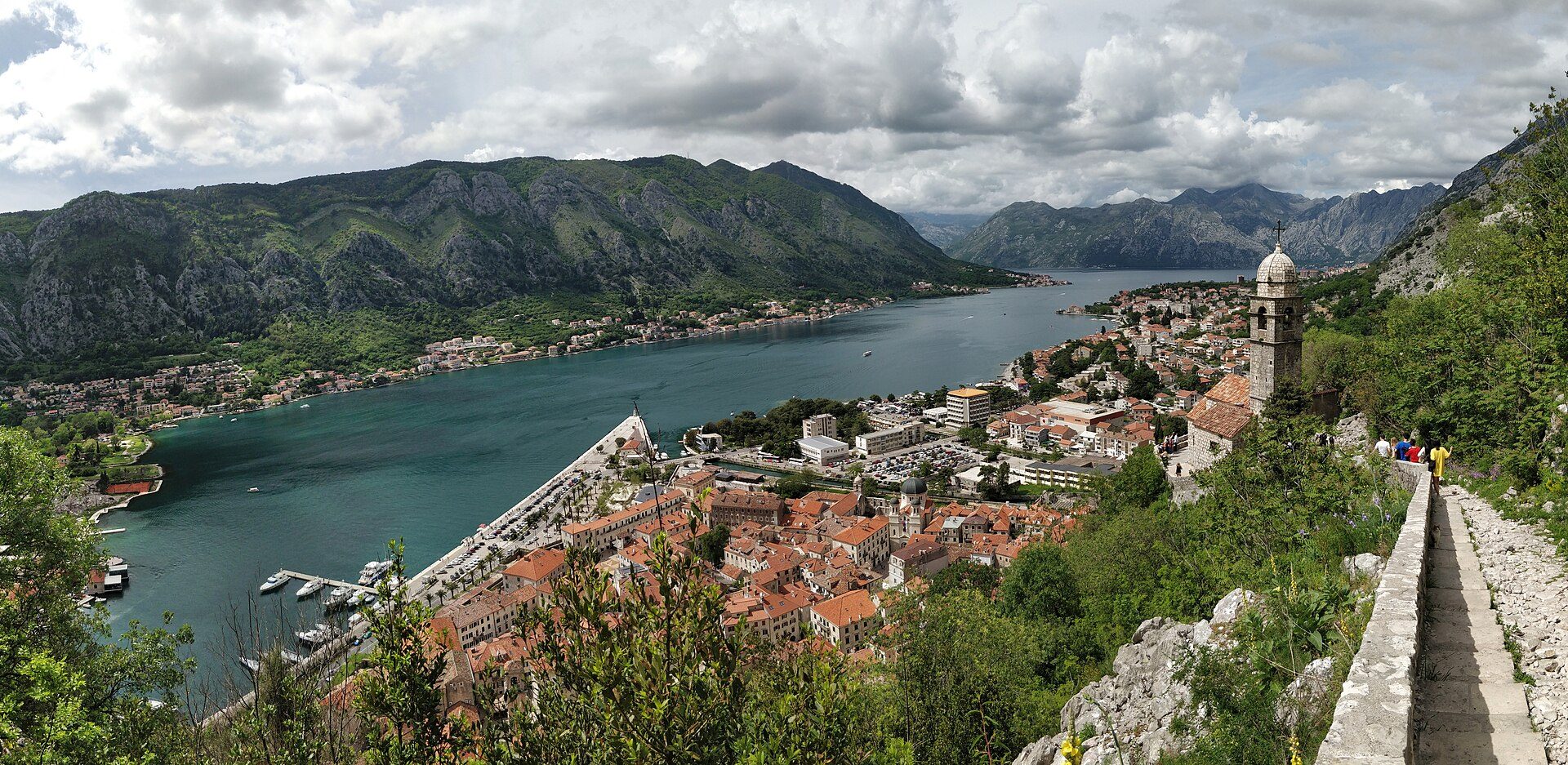
Down below waits the sea: almost 300 kilometres of Adriatic coast with bays, cliffs and sandy beaches. The Bay of Kotor cuts deep into the mountains like a fjord – one of the most beautiful natural harbours in the world. Between Podgorica and Albania lies Lake Skadar, the largest lake in the Balkans, with carpets of water lilies, fishing villages and the rare Dalmatian pelicans.
The climate, too, is never dull. The coast enjoys a Mediterranean climate with more than 240 days of sunshine a year, the interior continental heat, the north Alpine winters. When the bora sweeps down from the mountains or the jugo brings rain in from the sea, the weather can turn within a few hours – and in the Orjen mountains above the Bay of Kotor lies Crkvice, one of the rainiest places in Europe, only a few kilometres from sunny beaches.
Podgorica, the capital, lies where the Morača and the Ribnica flow together. Beside it stood the Illyrian-Roman city of Doclea; in the Middle Ages the place was called Ribnica, and from 1474 the Ottomans built a fortress here. Almost completely destroyed in the Second World War, the city bore the name Titograd from 1946 to 1992 – today it is young and lively, home to some 190,000 people, and only a stone’s throw from Fundina.
Cetinje, founded in 1482 by Ivan Crnojević, was Montenegro’s capital for centuries: seat of the prince-bishops, later of the king, with legations from all over Europe. Today it proudly bears the title “Old Royal Capital” and is home to monasteries, museums and the National Library.
Kotor is more than 2,000 years old: the Romans called it Ascrivium, and from 1420 to 1797 it belonged to Venice. Its city walls climb the mountainside for more than 4 kilometres, and the Cathedral of Saint Tryphon was consecrated in 1166 – the old town and the bay are a UNESCO World Heritage Site. Right next door lies Perast with the island of “Our Lady of the Rocks”, which, legend has it, sailors raised from the sea stone by stone.
Budva is one of the oldest settlements on the Adriatic – according to legend, it was founded by the Greek hero Cadmus. The walled old town and the island town of Sveti Stefan are today the landmarks of the coast. Herceg Novi was founded in 1382 by the Bosnian King Tvrtko and owes its name to the duke – Herceg – Stjepan Vukčić Kosača; it is known as the city of stairs and mimosas.
In Bar grows an olive tree said to be more than 2,000 years old – one of the oldest trees in Europe. The ruins of Stari Bar tell of Byzantines, Venetians and Ottomans; since 1878 Bar has belonged to Montenegro and is its most important port. In the far south lies Ulcinj (Ulqin), ancient Olcinium, a town with an Albanian majority, once notorious for its seafarers and pirates – legend even has it that Cervantes was held captive here. Today visitors are drawn by Velika Plaža, a sandy beach 12 kilometres long, and the island of Ada Bojana.
Inland lies Nikšić, the country’s second-largest city, the Roman Anderba, freed from the Ottomans in 1877; everyone in Montenegro knows its beer. And high in the north, at around 1,450 metres, lies Žabljak – the highest town in the Balkans and the gateway to the Durmitor.
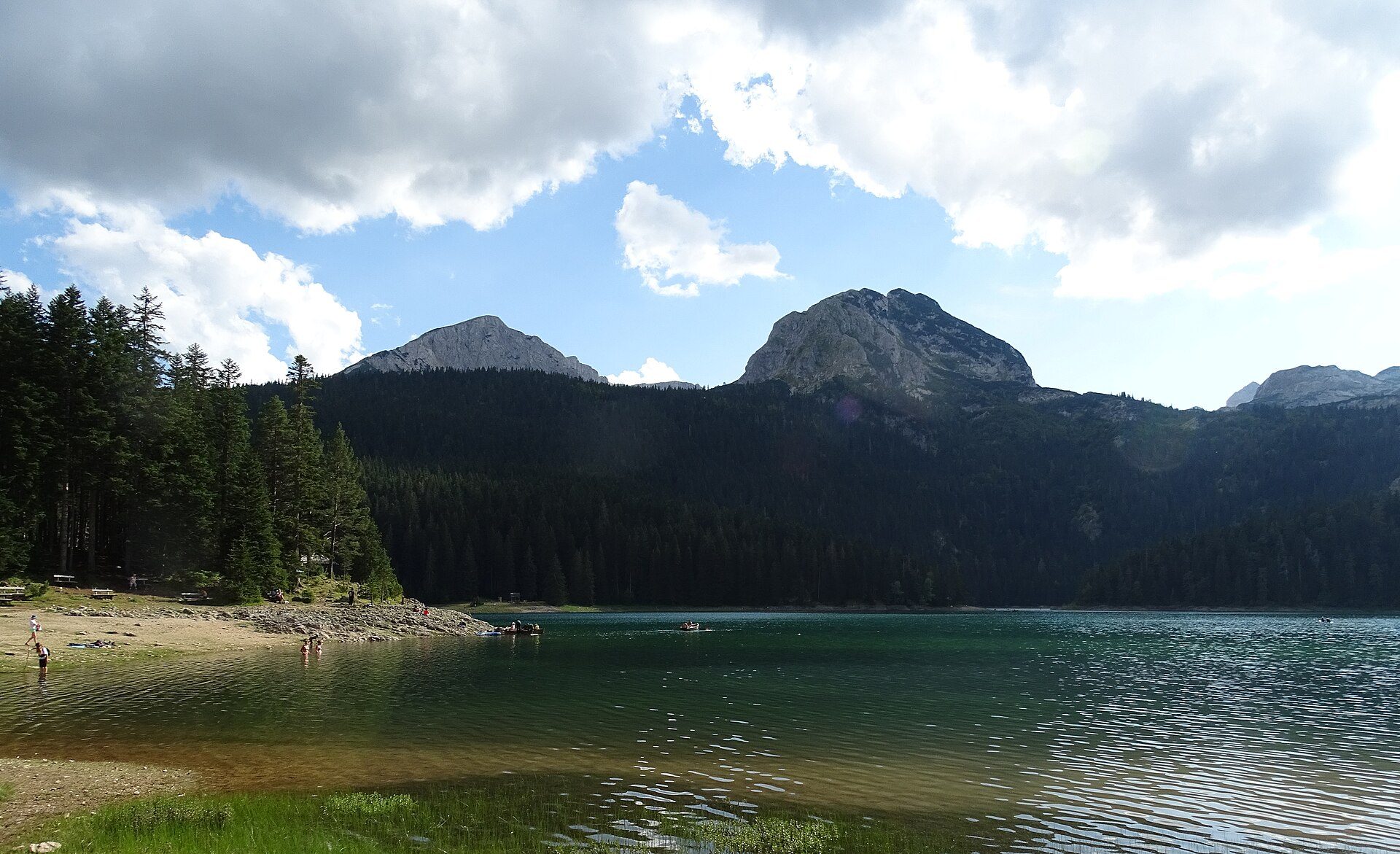
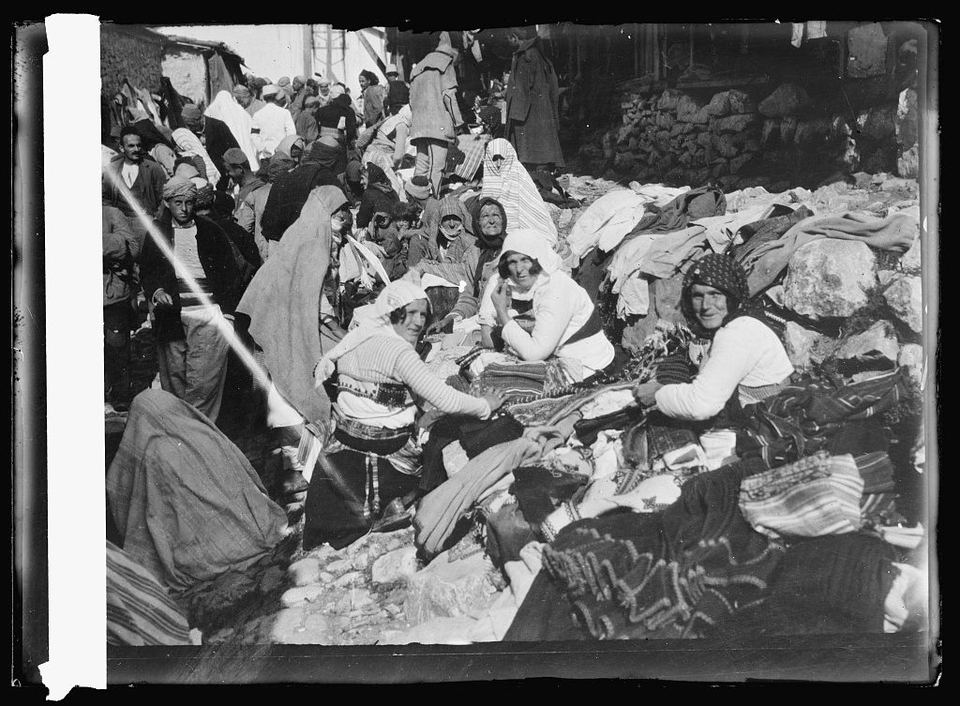
And the people? Some 620,000 live in Montenegro – Montenegrins, Serbs, Bosniaks, Albanians, Croats and many more. They are among the tallest people in the world, and their hospitality is legendary: whoever knocks is given coffee, rakija and a place at the table. People take their time – polako, slowly – stroll along the corso in the evening, sing, laugh, argue and make up again. It is these very people who, for more than a thousand years, have shown that it is possible to live together in these mountains.
The long journey – from the ancestral homeland to Sorbs and Serbs
The journey begins far to the east. Most scholars place the original homeland of the Slavs in the wide plains between the Vistula, the Pripyat and the Dnieper – in what is today Ukraine, Belarus and Poland. There was no Ukraine back then: the Greeks and Romans called this land Sarmatia or Scythia; European maps from the 16th century onwards later labelled the vast lands of the east Tartaria. From here, in the 5th and 6th centuries, Slavic tribes moved west and south – among them the ancestors of the Sorbs and the Serbs.
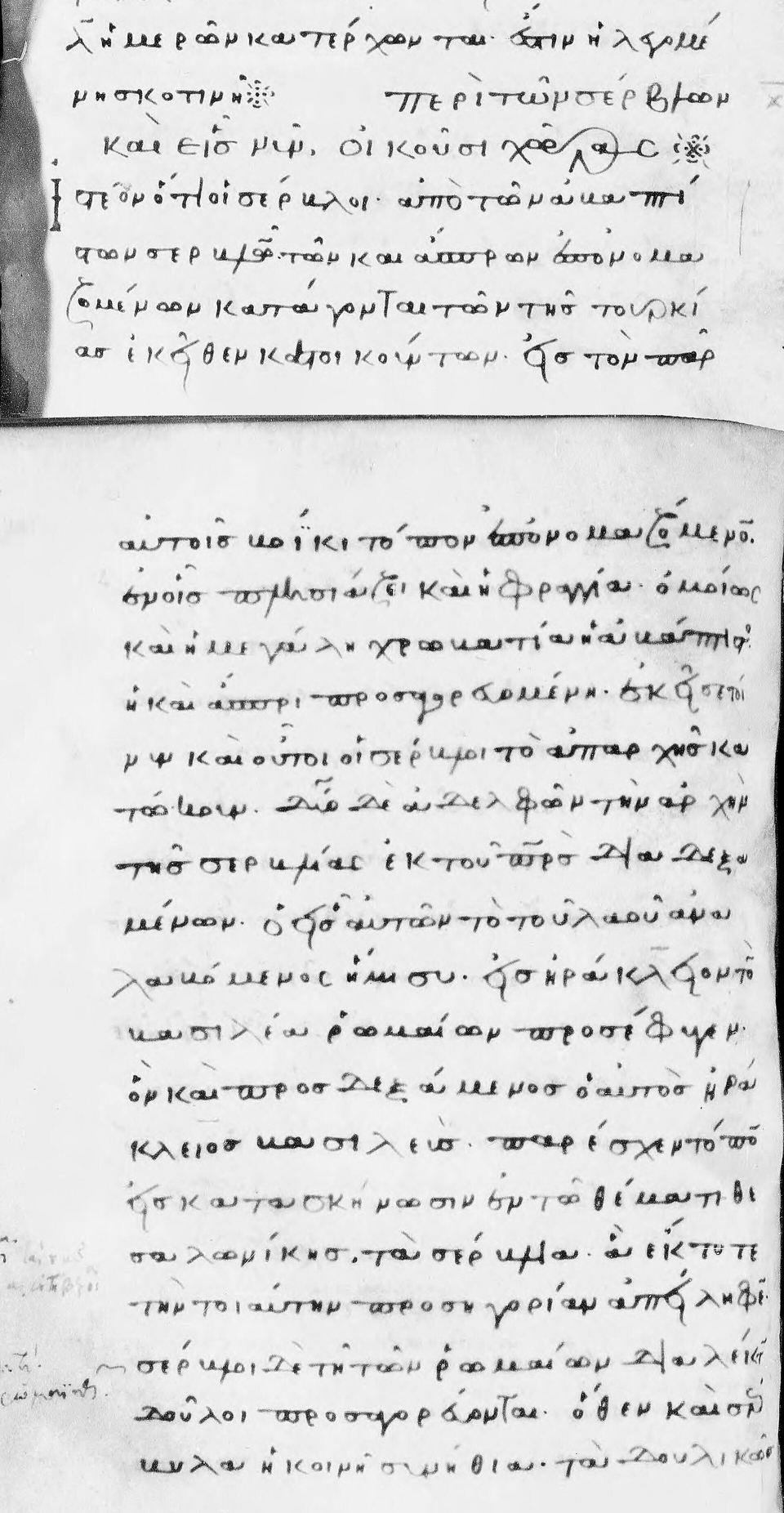
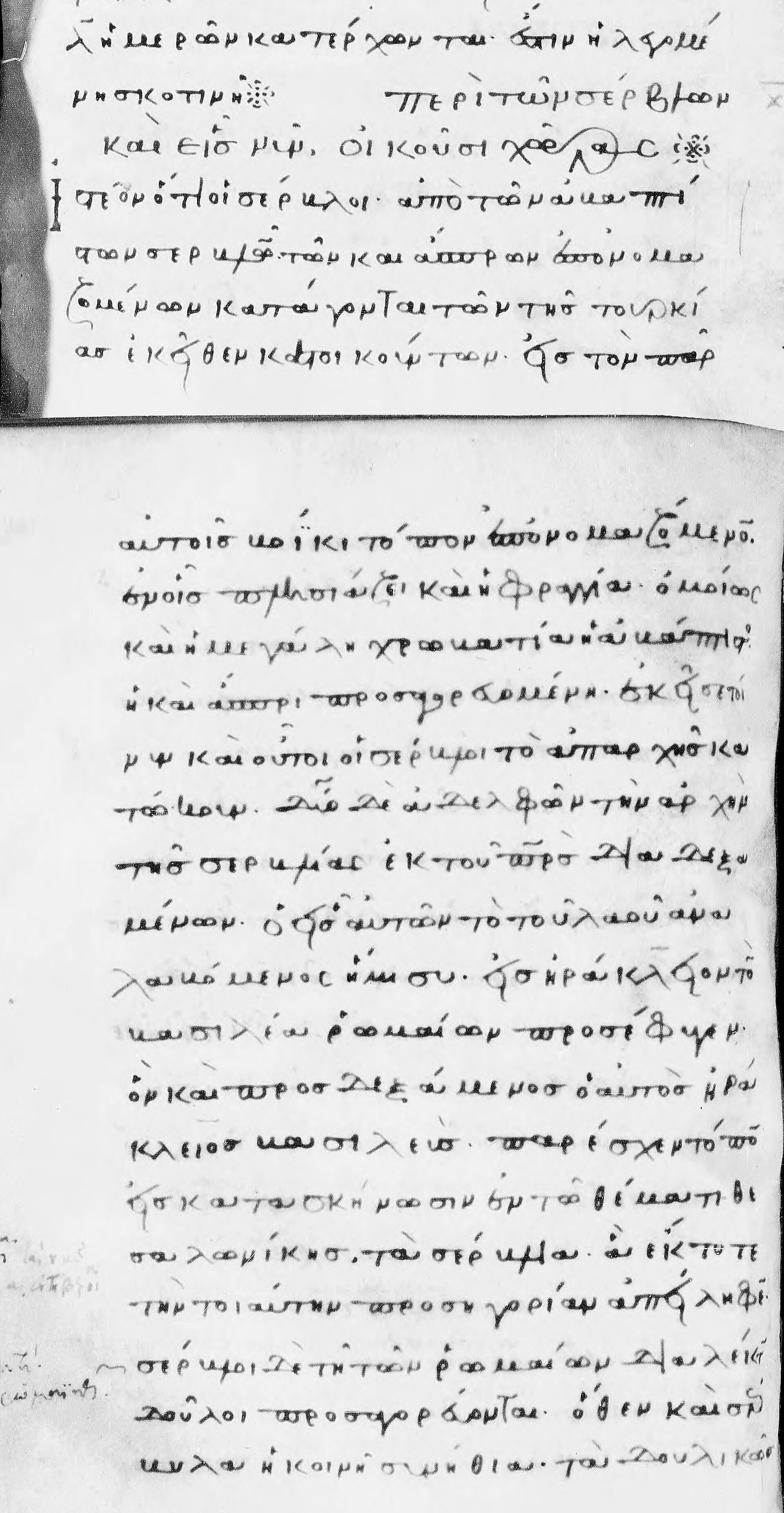
Around the year 950 the Byzantine emperor Constantine VII Porphyrogenitus wrote a book for his son: De Administrando Imperio. In it he tells of the “unbaptised Serbs, also called the White”, who lived in the north beyond Hungary – in a land later called White Serbia. After the death of their prince, one of two brothers is said to have led half of the people south – to Emperor Heraclius (610–641), who gave them land in the Balkans.
The other half stayed. We still know their descendants today: the Sorbs of Lusatia, around Bautzen – in the heart of Germany. They call themselves Serbja, the Balkan Serbs Srbi: it is the same ancient Slavic name. So the ancestors’ path leads from today’s Ukraine through Lusatia all the way to Montenegro – and the story of a small village near Podgorica begins on the Dnieper and the Spree.
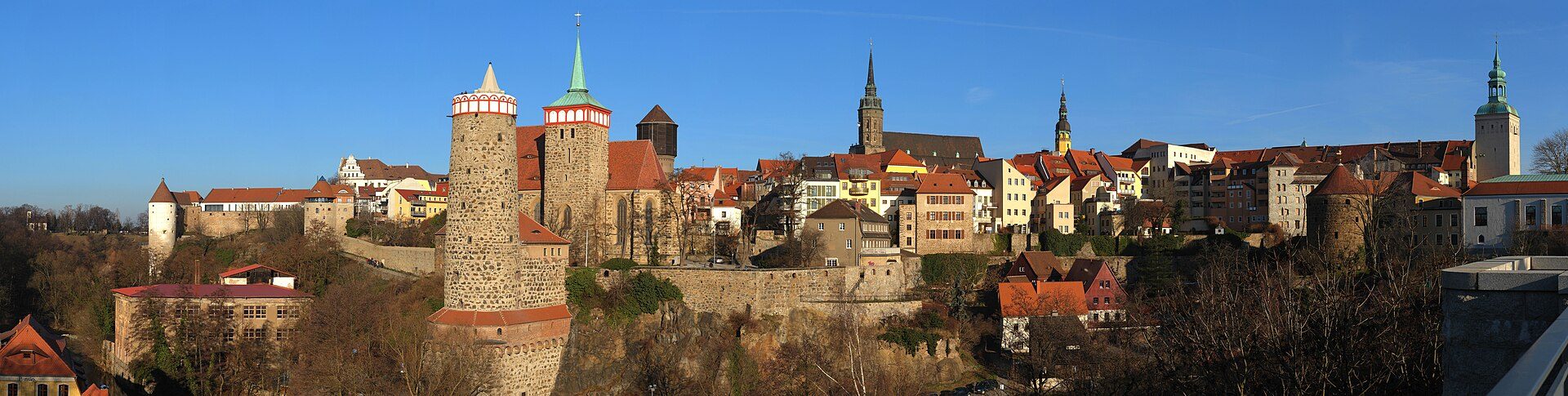
The Sorbs themselves step into the light of history early on: the Frankish Chronicle of Fredegar records, for the year 631, a “Dervanus, duke of the people of the Surbi”, who joined the Slavic realm of Samo. For centuries the Sorbs lived between the Saale, the Elbe and the Neisse; wars, the pressure of settlement and later bans on their language pushed them back – yet they stayed. Today some 60,000 people still speak Upper and Lower Sorbian, bilingual place-name signs stand in Bautzen (Budyšin) and Cottbus (Chóśebuz), and the Sorbs are recognised in Germany as a national minority.
One people, two paths: some stayed on the Spree and kept their language alive in the very heart of Germany; the others travelled across the Danube to the Adriatic and into the mountains of Montenegro. That both still bear the same name after almost 1,400 years is one of Europe’s loveliest riddles.
And the Sorbs never lived alone. When they came to the Saale and the Elbe in the 6th and 7th centuries, they found a land where Germanic tribes had lived before them – and soon Slavs and Germanic peoples, later Sorbs and Germans, were living door to door. They traded with one another, married one another, celebrated together. Many German cities still carry the finest proof of this in their names: Leipzig comes from the Sorbian Lipsk, “place of the lime trees”, Dresden from Drežďany, “people of the floodplain forest”, Chemnitz from Kamjenica, “stony brook” – and Görlitz, Zittau and Bautzen, too, have Slavic roots. People who share the very names of their towns have been neighbours and friends for centuries.
The Slavic homeland between the Vistula and the Dnieper is the most widely held scholarly view. The migration of the “White Serbs” comes from a single 10th-century source and is considered a hypothesis; the shared name of Serbs and Sorbs is linguistically certain. “Tartaria” is a name from later maps, not from the time of the migration.
The Chrobati – White Croats and the necktie
In the same book the emperor also tells of the White Croats – the Chrobati – who likewise came from the north and settled on the Adriatic. Serbs and Croats: two brother peoples with the same language, the same origin legend, the same journey.
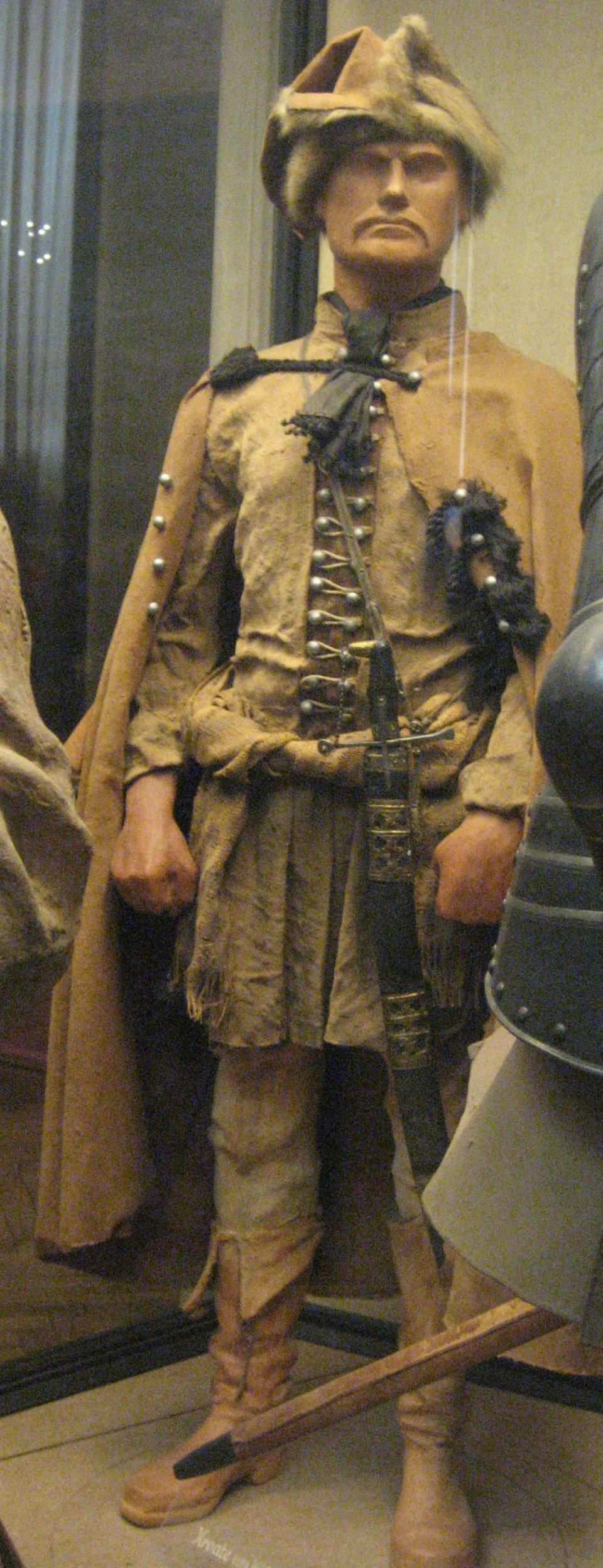
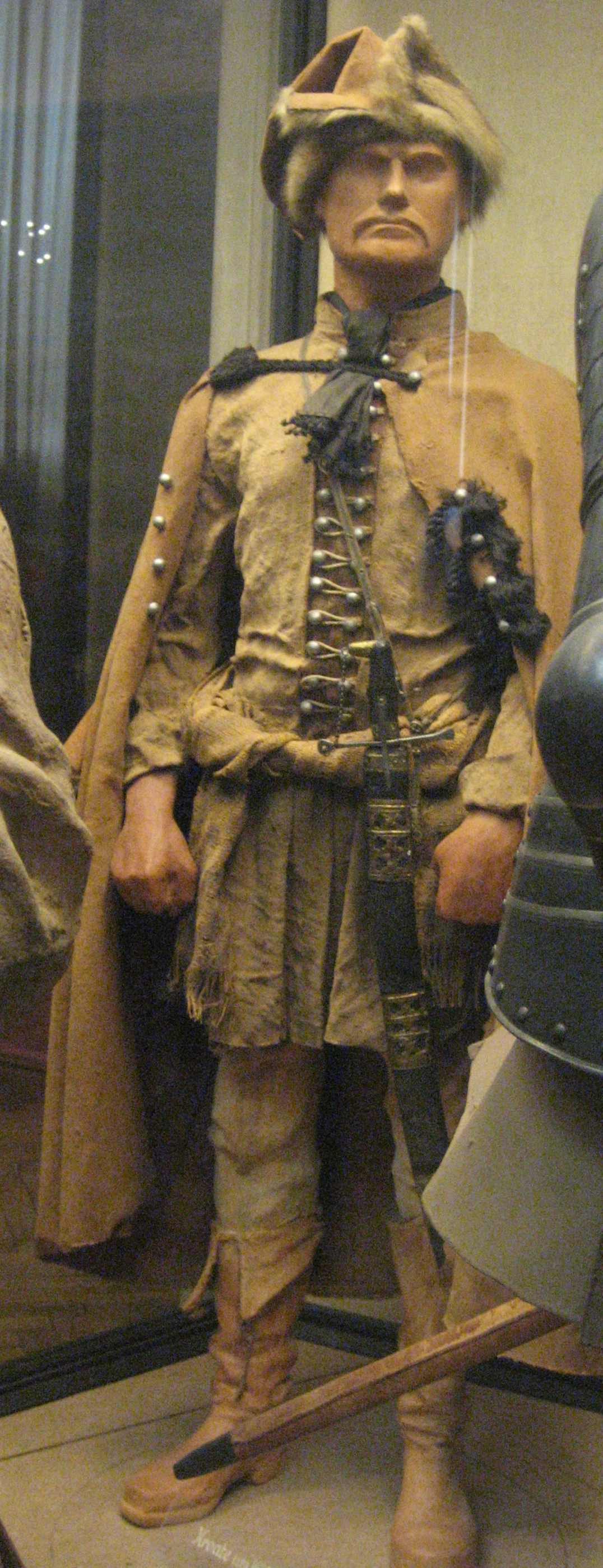
A thousand years later the Habsburgs turned Croatian and Serbian farmers into border soldiers of their Military Frontier against the Ottomans. Croatian horsemen fought in the Thirty Years’ War as far as France – in Paris their knotted neckcloth was called à la croate. That is how the cravat came into the world. And that is also how something began that runs through all of history: great empires used the small peoples for and against each other – in the First World War Croats marched against Serbia in Austro-Hungarian uniform, and Vienna deliberately promoted the Albanians as a counterweight to Serbia and Montenegro.
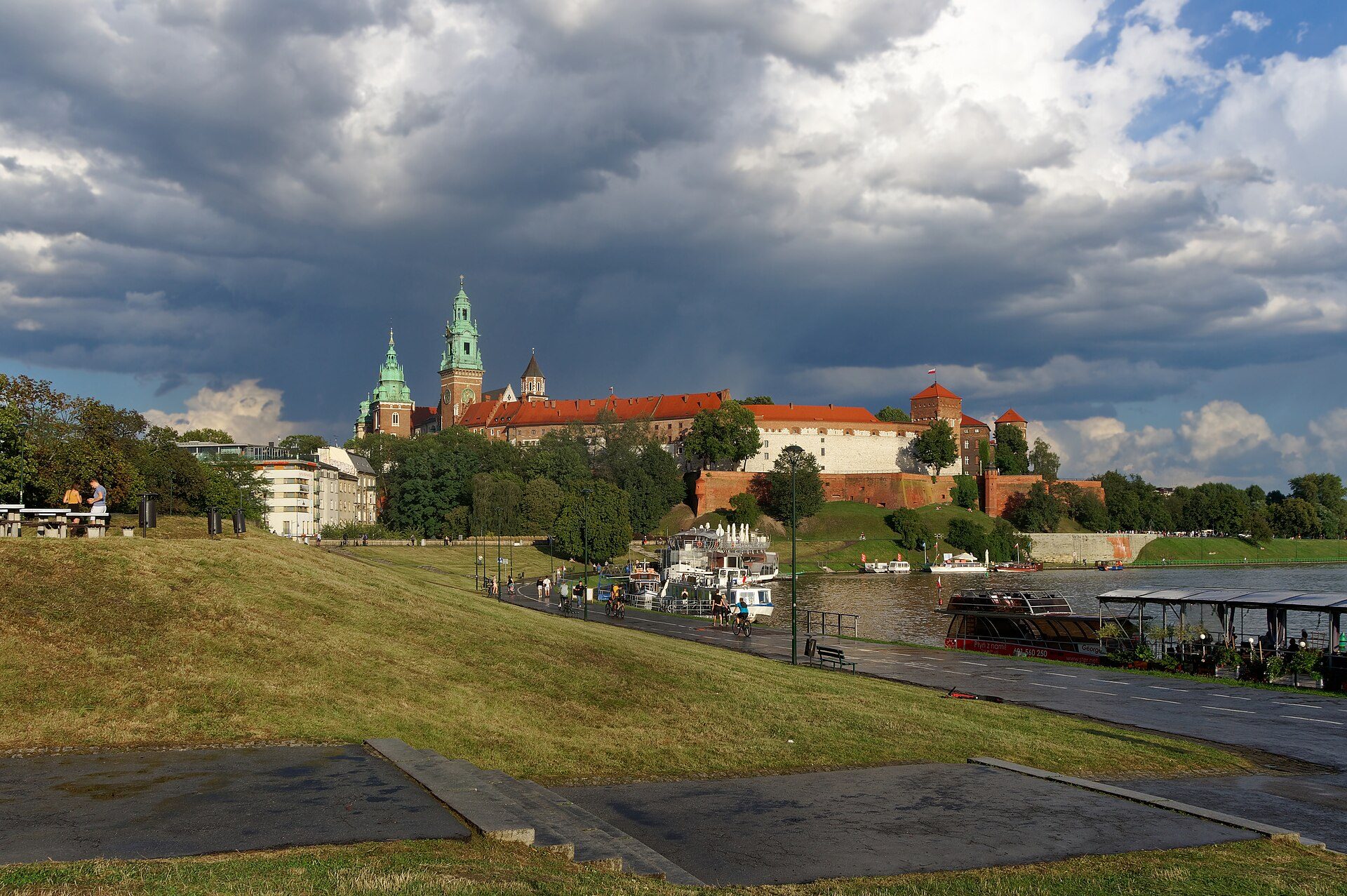
Where was White Croatia? Many historians look for it on the upper Vistula and in Bohemia – in the land around today’s Kraków. The city’s legend, it is true, names Prince Krak as its founder, who is said to have slain the dragon of Wawel Hill; yet some researchers consider it quite possible that the Chrobati once lived in this region before part of them moved south. Kraków and Zagreb, the Vistula and the Adriatic would then be linked by the same migration – just like Bautzen and Podgorica.
Croats and Germans, too, share a long friendship: for centuries they belonged together to the realm of the Habsburgs, served in the same regiments, built the same cities – and to this day hundreds of thousands of Croats live in Germany, as neighbours, colleagues and friends.
Illyrians, Albanians, Slavs – one land, many roots
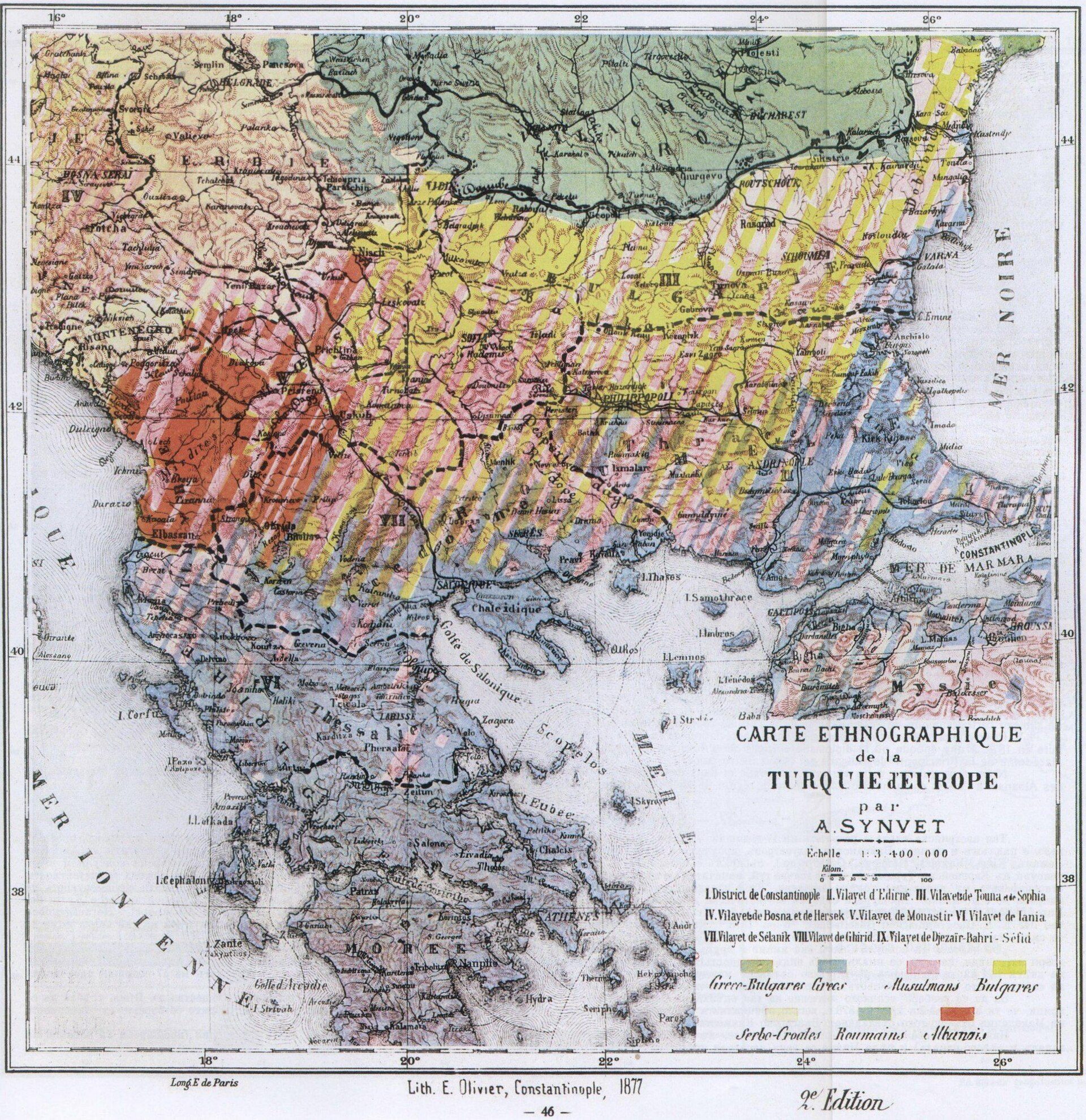
Long before the Slavs arrived, the Illyrians lived here. Many see them as the ancestors of the Albanians – this is not entirely settled, but one thing is certain: the people of the mountains of Montenegro and northern Albania have for millennia been a mixture of everyone who ever lived here.
The Kuči themselves are the best example. First mentioned in 1330 as an Albanian pastoral community, by the 17th century they mostly spoke Slavic – and yet remained related to their Albanian neighbouring tribes. One tribe, two languages, two churches, one honour. Anyone looking for “pure blood” here looks in vain. All one can say is: We are everything – and so much more.
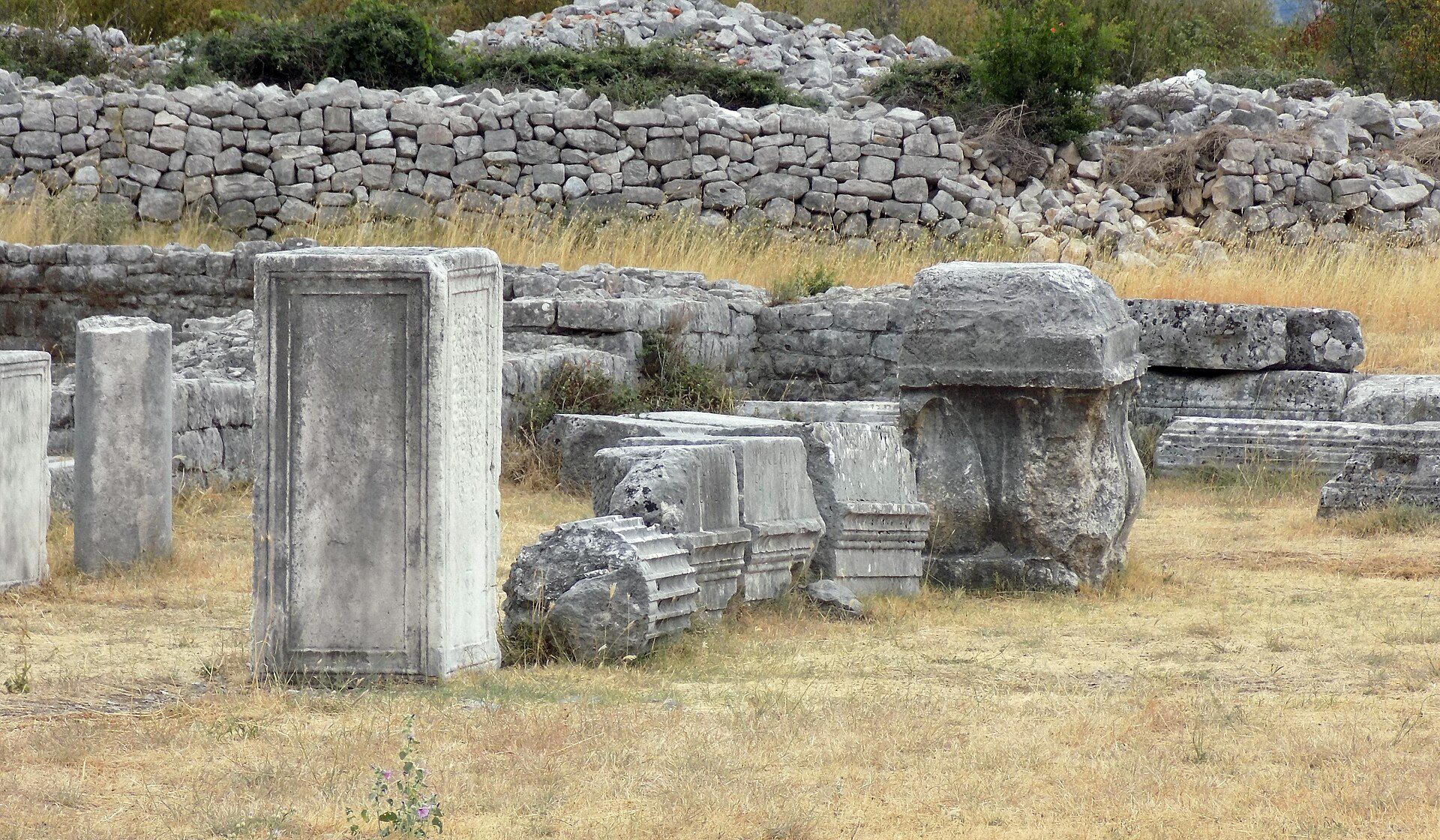
The Illyrians were not a single people but many tribes between the Adriatic and the Danube – and some of them founded powerful kingdoms. Queen Teuta ruled around 230 BC from Rhizon, today’s Risan on the Bay of Kotor, and defied the naval might of Rome. The last Illyrian king, Genthios, held court in Scodra, today’s Shkodra, until Rome defeated him in 168 BC. Very close to Fundina lay Doclea, the chief town of the Illyrian tribe of the Docleatae; its Roman ruins still stand on the edge of Podgorica, and the medieval principality of Duklja takes its name from it.
Under their present name the Albanians appear in Byzantine sources in the 11th century; the ancient geographer Ptolemy already knew of a tribe called the “Albanoi”, with the city of Albanopolis. They call themselves Shqiptarë and their country Shqipëria – often interpreted as “land of the eagles”. Whether the Albanians are direct descendants of the Illyrians has not been finally settled; what is certain is that their ancestors have been at home in these mountains since antiquity.
A thousand years of peaceful neighbourhood
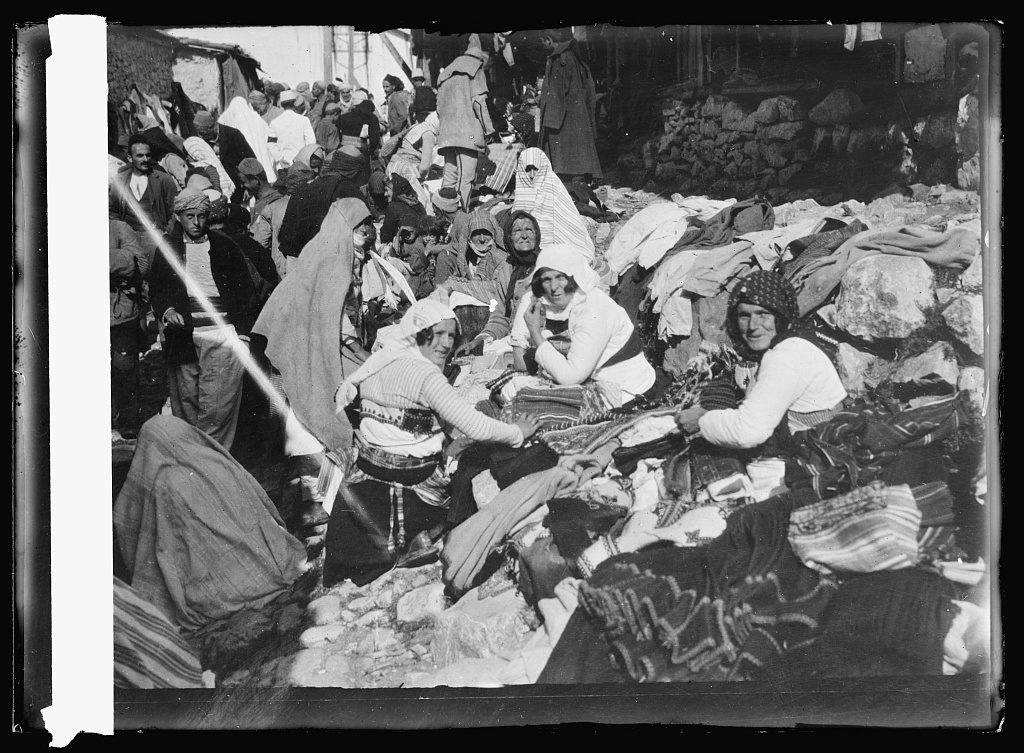
The Serbs did not conquer this land. The Slavs came in the 6th and 7th centuries as settlers – and settled alongside the people who already lived here. Strangers became neighbours, neighbours became families. For a thousand years they lived together in peace: with wine, song and dance, with weddings across every boundary, with hospitality and honourable conduct – until, in the 19th century, politicians began to manipulate people against one another.
The great history books tell of wars. Life in the villages tells something else: of besa, the sacred word that is kept, and of pobratimstvo, sworn brotherhood between families and tribes, across the boundaries of language and faith. In 1613 the Kuči, Vasojevići, Bjelopavlići and Piperi swore loyalty against the Ottomans with the Albanian tribes of Hoti, Kastrati, Kelmendi and Shkreli – the “Union of the Mountains”.
To this day Orthodox Christians, Catholics and Muslims carry the cross of Saint Jovan Vladimir together up Mount Rumija. According to later traditions, Albanian lords also stood at the side of the Serbs at the Battle of Kosovo in 1389. And people still argue whether the Balšić dynasty that ruled Zeta were Serbs or Albanians – perhaps because they were both.
It was no paradise. There were feuds and blood revenge – but they ran between clans, not between peoples. The Albanian from the neighbouring mountain was godfather, brother-in-law, sworn brother.
Five hundred years of the Ottomans – rule, resistance and neighbourliness
After the Battle of Kosovo in 1389 the Ottomans advanced step by step into the Balkans. In 1474 they built a fortress in Podgorica; in 1496 the principality of Zeta fell. In the mountains, however, the Sultan’s power remained thin: tribes such as the Kuči, the Hoti or the Bjelopavlići governed themselves by their own laws, and in Cetinje the prince-bishops kept Montenegro’s freedom alive.
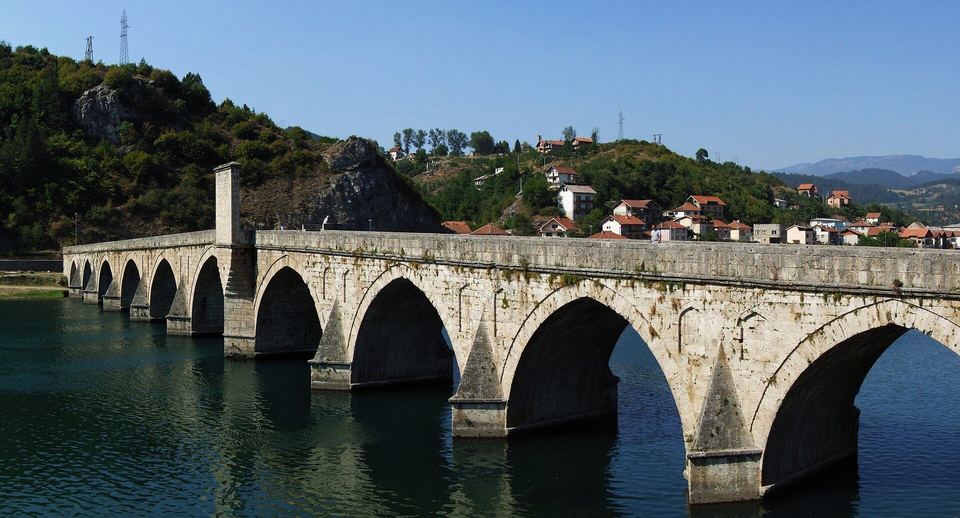
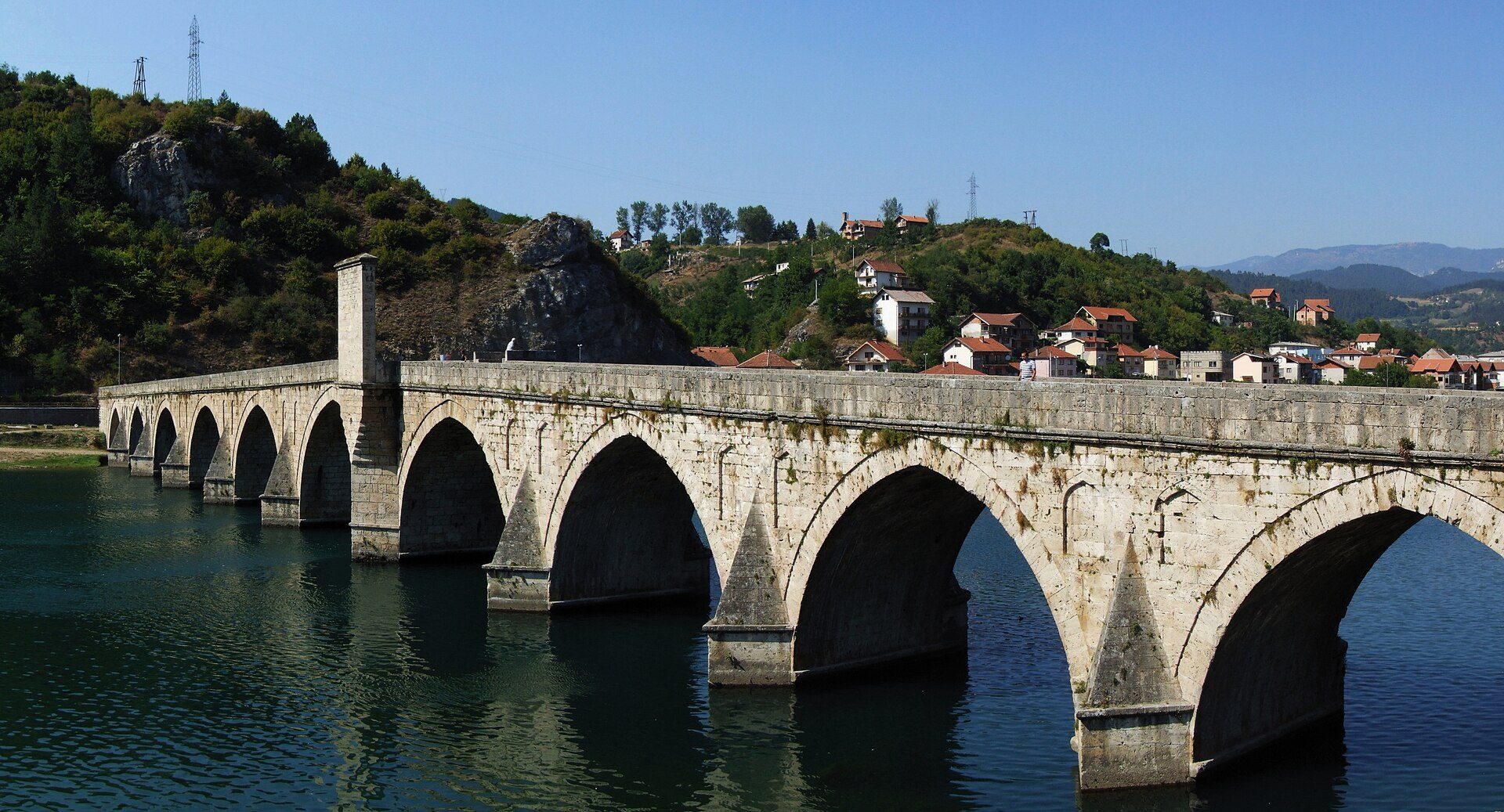
The Ottoman Empire was not an empire of the Turks alone. One of its most powerful grand viziers, Mehmed Paša Sokolović, was a Serb from Bosnia who gave his homeland the famous bridge at Višegrad; the grand-vizier family of Köprülü had Albanian roots. Serbs, Albanians, Greeks, Bosniaks and Turks served the empire – and lived door to door in its towns: church, mosque and synagogue often stood in the same street.
There was oppression, there were levies and bloody uprisings – and out of them, in the end, grew Montenegro’s freedom, sealed in Berlin in 1878. And yet even in those centuries the dividing lines ran between rulers and ruled, not between neighbours in the village. Turkish coffee, the word komšija for neighbour – from the Turkish komşu – and many songs still tell of how deeply these worlds became intertwined.
The Battle of Fundina
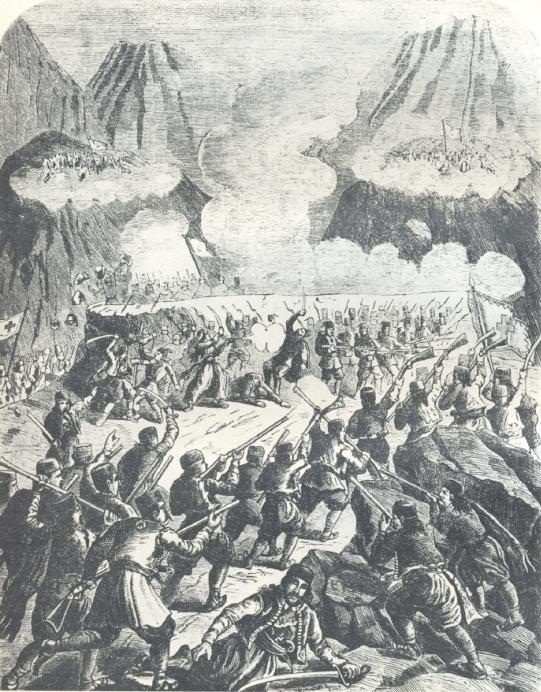
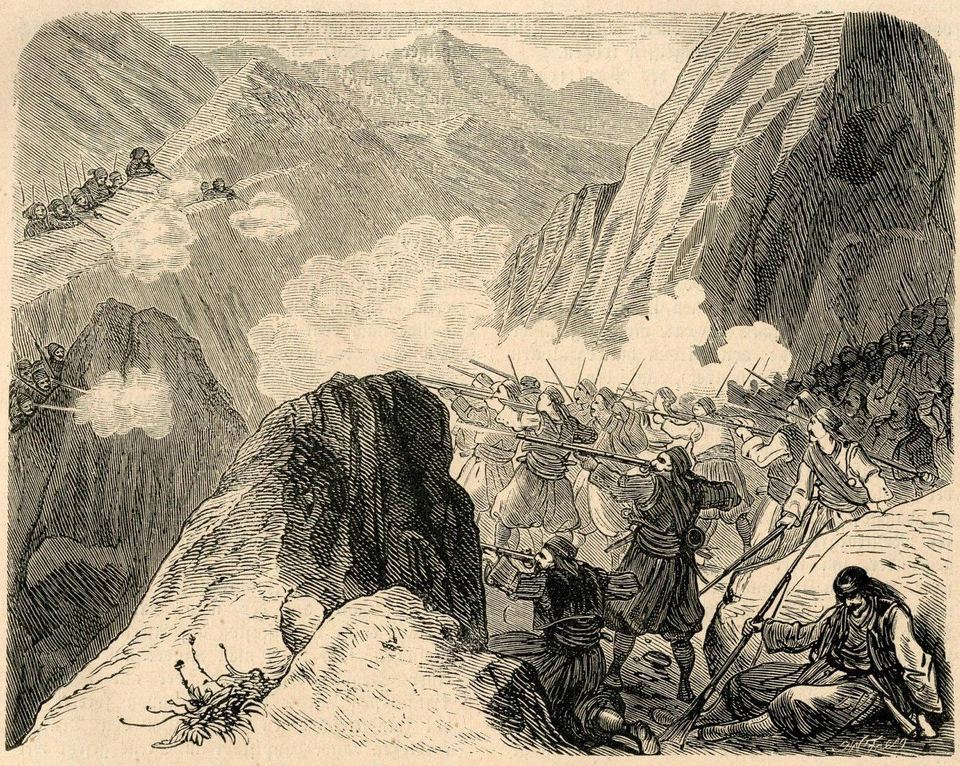
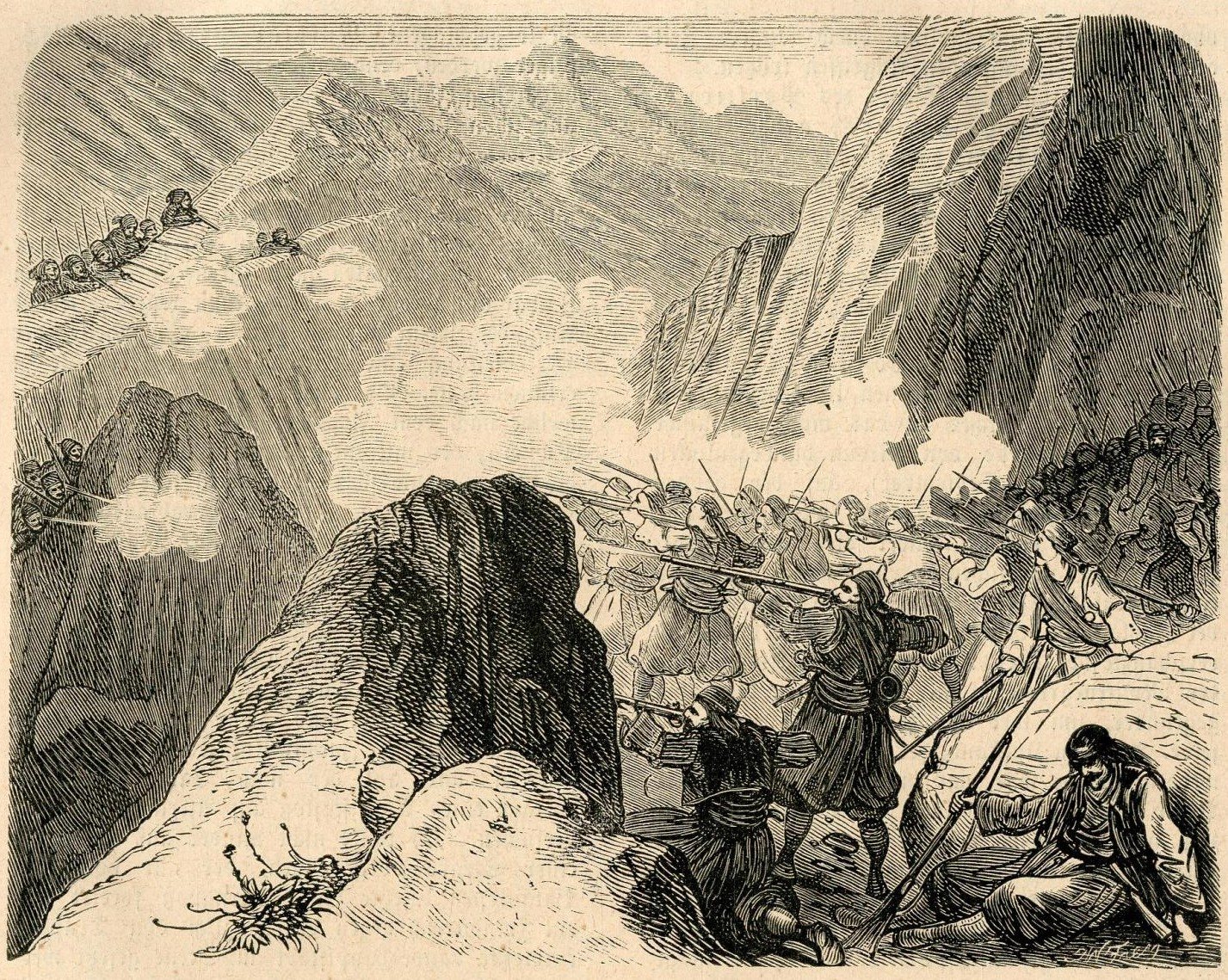
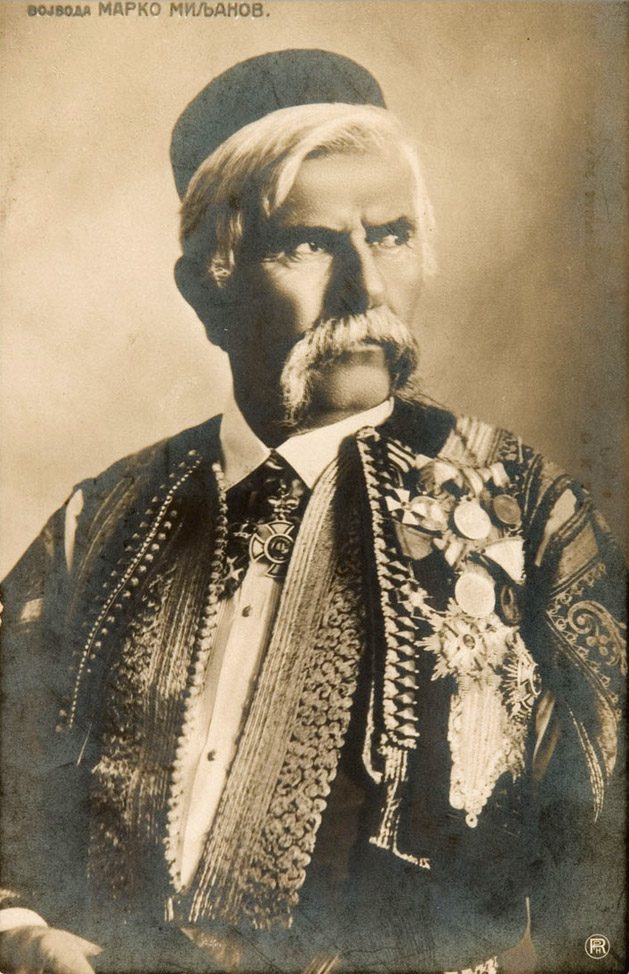
In the summer of 1876 an Ottoman army of about 40,000 men under Mahmud Pasha marched against the Kuči and Medun. Facing them were some 5,000 fighters: the battalions of the Kuči under Vojvoda Marko Miljanov, the men of Ilija Plamenac, of Martinići, Bratonožići, Ceklin and Ljubotinj – and around 200 fighters from Zatrijebač, Catholic Albanians, shoulder to shoulder with their Montenegrin neighbours.
A Montenegrin Muslim revealed the Ottoman plan of attack to them. So on St Elijah’s Day, 2 August 1876 (by the Julian calendar then in use; 14 August by today’s calendar) they struck one day earlier. By evening the great army was defeated; the Montenegrins mourned 279 dead, the Ottomans many times more. The victory of Fundina is regarded as the most brilliant of the war and paved the way for Montenegro’s recognition at the Congress of Berlin in 1878.
It is worth reading twice: Orthodox Kuči, Catholic Albanians and a Muslim helper – together. That is Fundina.
„Heroism is when you protect yourself from others. Humanity is when you protect others from yourself.“
Attributed to Marko Miljanov
The Perković (Perkaj) clan – the heroes of Fundina
For generations the clan of the Perković – in its Albanian form Perkaj – has lived in Fundina. The Montenegrin dictionary of surnames records the brotherhood in Ljuhari (Fundina) in the land of the Kuči; both names refer to the same kin. Perković means “descendant of Perko”, a pet form of Petar – Peter, the rock. After 1880 the Albanian families of the area had to adopt Montenegrin forms of their names: Perkaj became Perković.
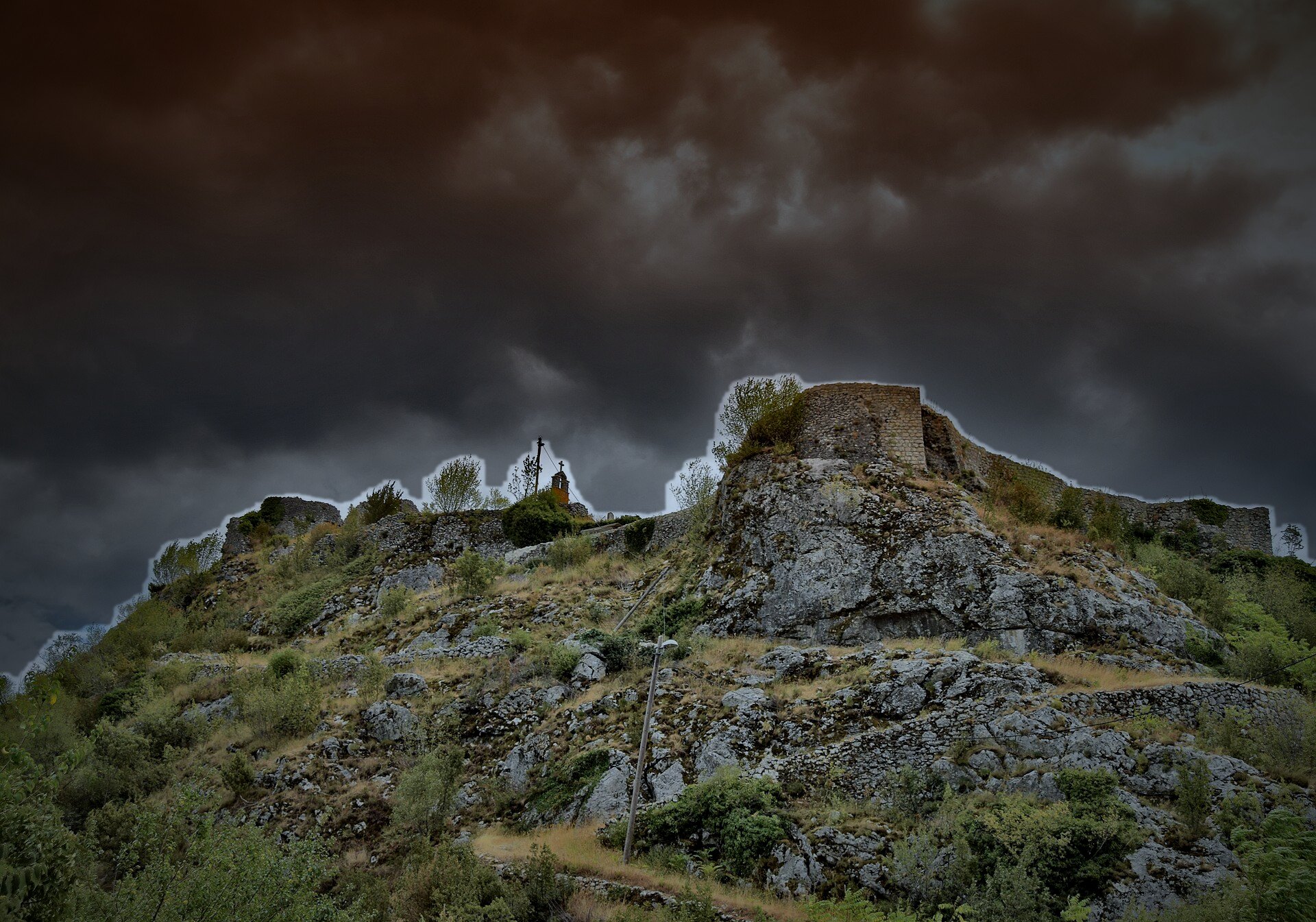
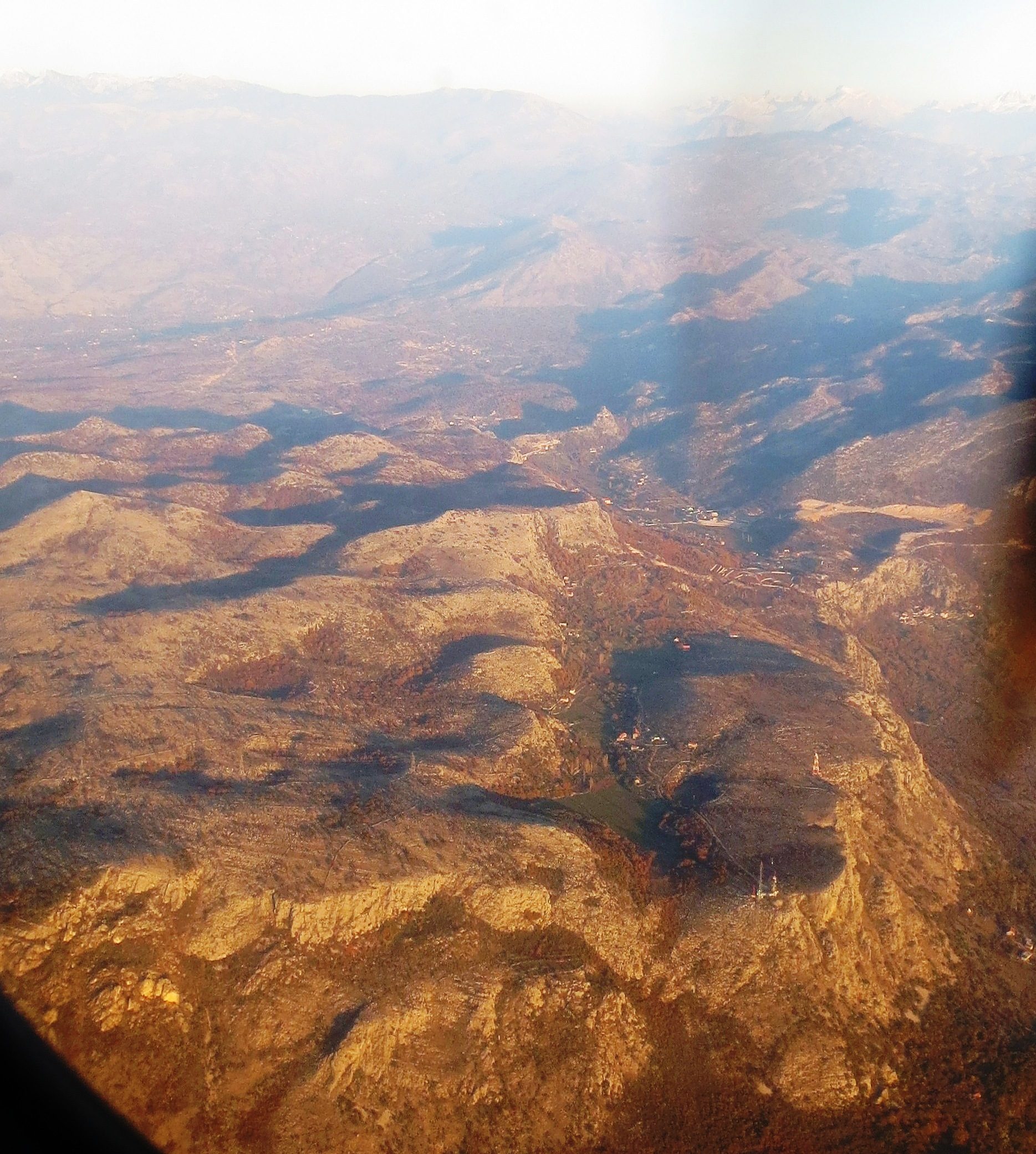
Above the land of the Kuči towers the fortress of Medun – the ancient Meteon of the Illyrians, for centuries the seat of the tribe, liberated by Marko Miljanov in 1877. It is the stronghold of the Kuči; in its shadow lie the brotherhoods of Fundina.
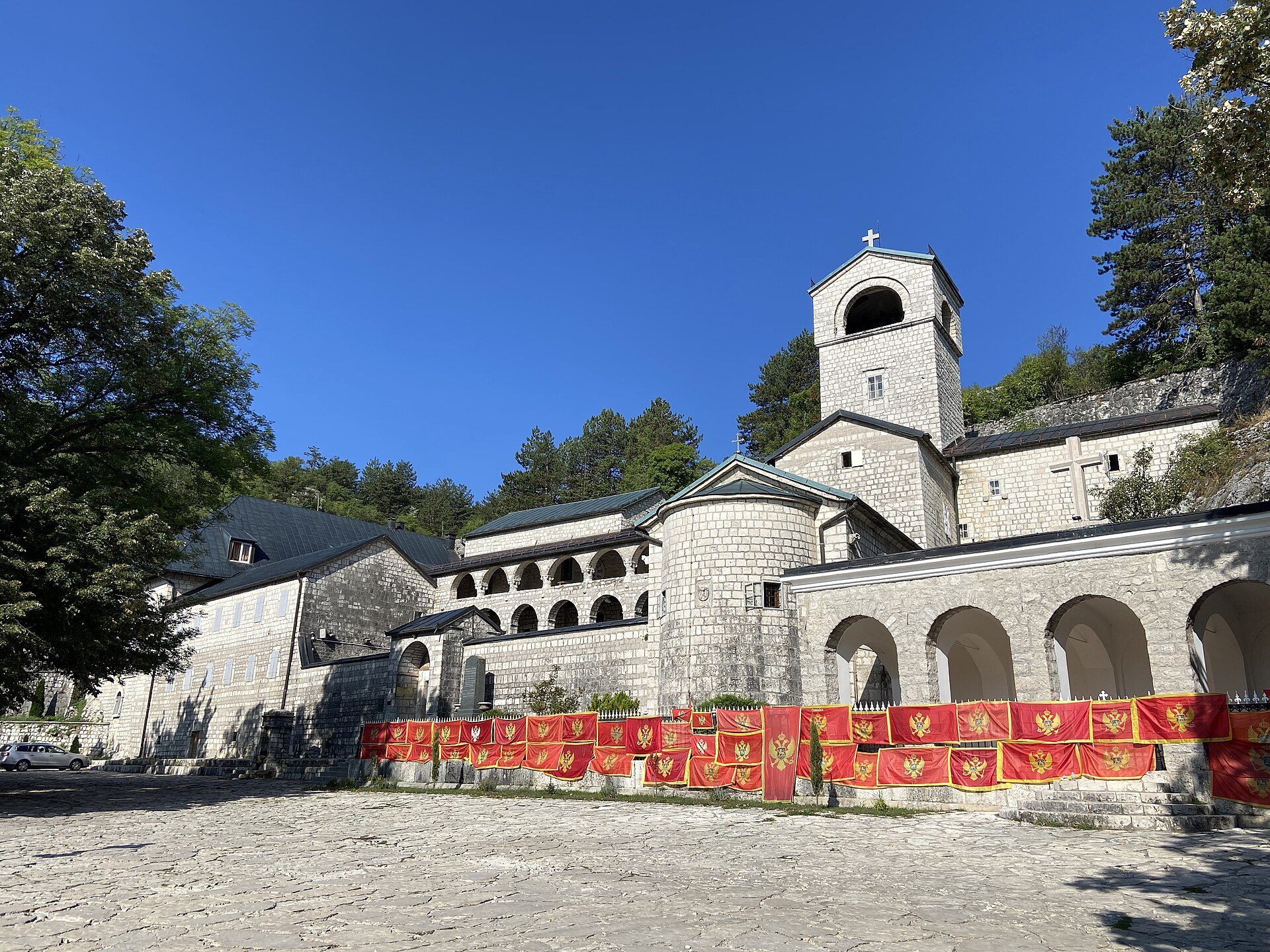
The same dictionary records the tradition that the Perkovići descend from the brothers Đuro and Krsto Martinović of Bajice near Cetinje, the old royal capital. The Martinovići of Bajice were among the families who, in old Montenegro, held the hereditary title of honour of Serdar – one of Montenegro’s ranks of nobility, alongside Vojvoda and Knez. Within the family itself it is told that the Perkovići are descendants of an old dynasty of knights.
After the victory over the Ottomans, the family – so it tells – was granted land by the ruling house. The land around the mountain above Fundina is still in their hands today, and the neighbouring villages trace their origins back to the descendants of a Perković.
Peter, the rock – the name says it all. According to tradition, the men of the family stood firm as a rock at Fundina in the summer of 1876, side by side with their neighbours, for the freedom of their valley.
In western Europe, men who stood up for their valley like this would have been dubbed knights. In the mountains of Montenegro there was no accolade – here they are simply called junaci, heroes, and their deeds are sung to the gusle. To this day, songs about the heroes of the Perkovići of days gone by are sung in Montenegro. A title fades; a song endures.
Today the clan is scattered far across the continents: Perkovići and Perkaj live from New York to Spain, in Montenegro, Albania, Kosovo, Serbia and Croatia, in Hungary and Bulgaria, in Italy all the way down to the south, in Germany, England and the Scandinavian countries, in Russia and in today’s Ukraine. Wherever they live, their roots lead back to the little village beneath the fortress of Medun.
And so the Perkovići are an old noble house of honour: their rank does not come from the charters of foreign courts, but from the one thing that counted in old Montenegro – čojstvo i junaštvo, humanity and courage, and a word that is kept. Serbian, Albanian, Illyrian? They are what this land is: a blend of centuries of peaceful coexistence.
Documented: the Perković/Perkaj brotherhood in Fundina (dictionary of surnames “Prezimena u Crnoj Gori”) and the Serdar rank of the Martinovići. Family tradition: descent from the Martinovići of Bajice, the dynasty of knights and the land grant after 1876; the land ownership continues to this day.
Divide and rule – how hatred was sown
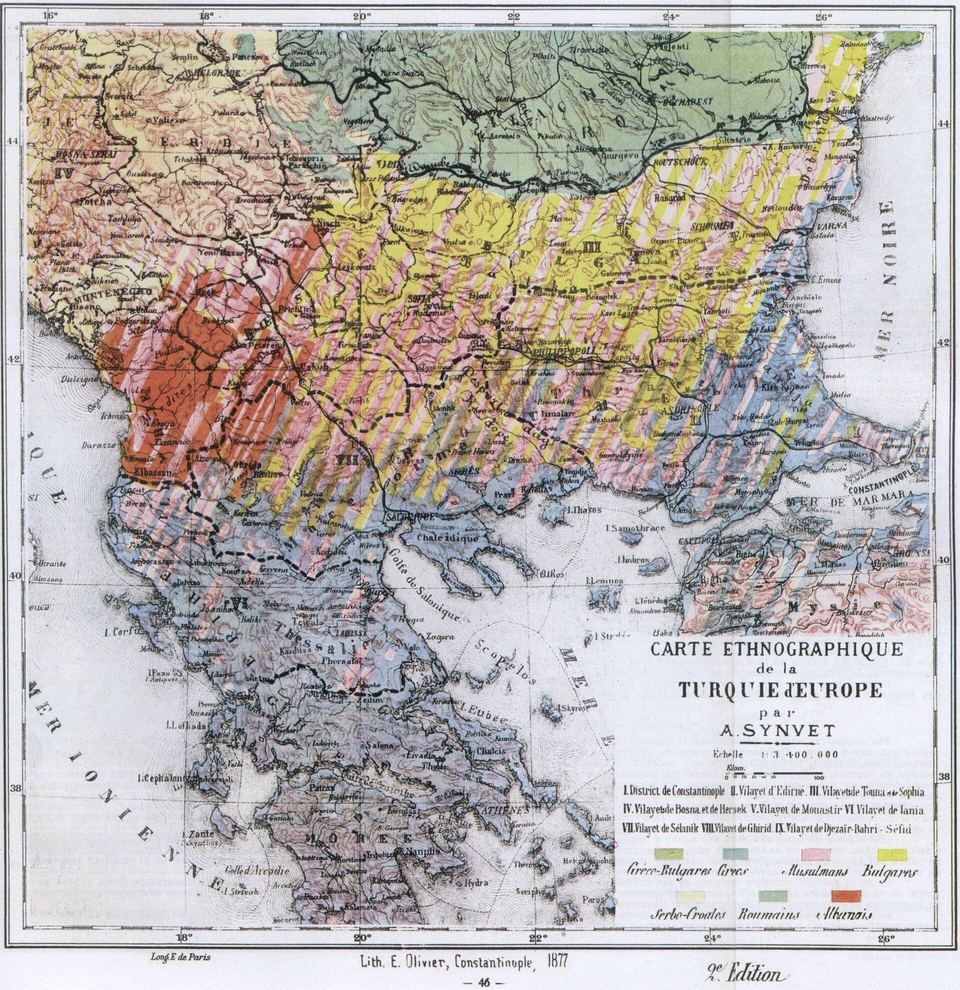
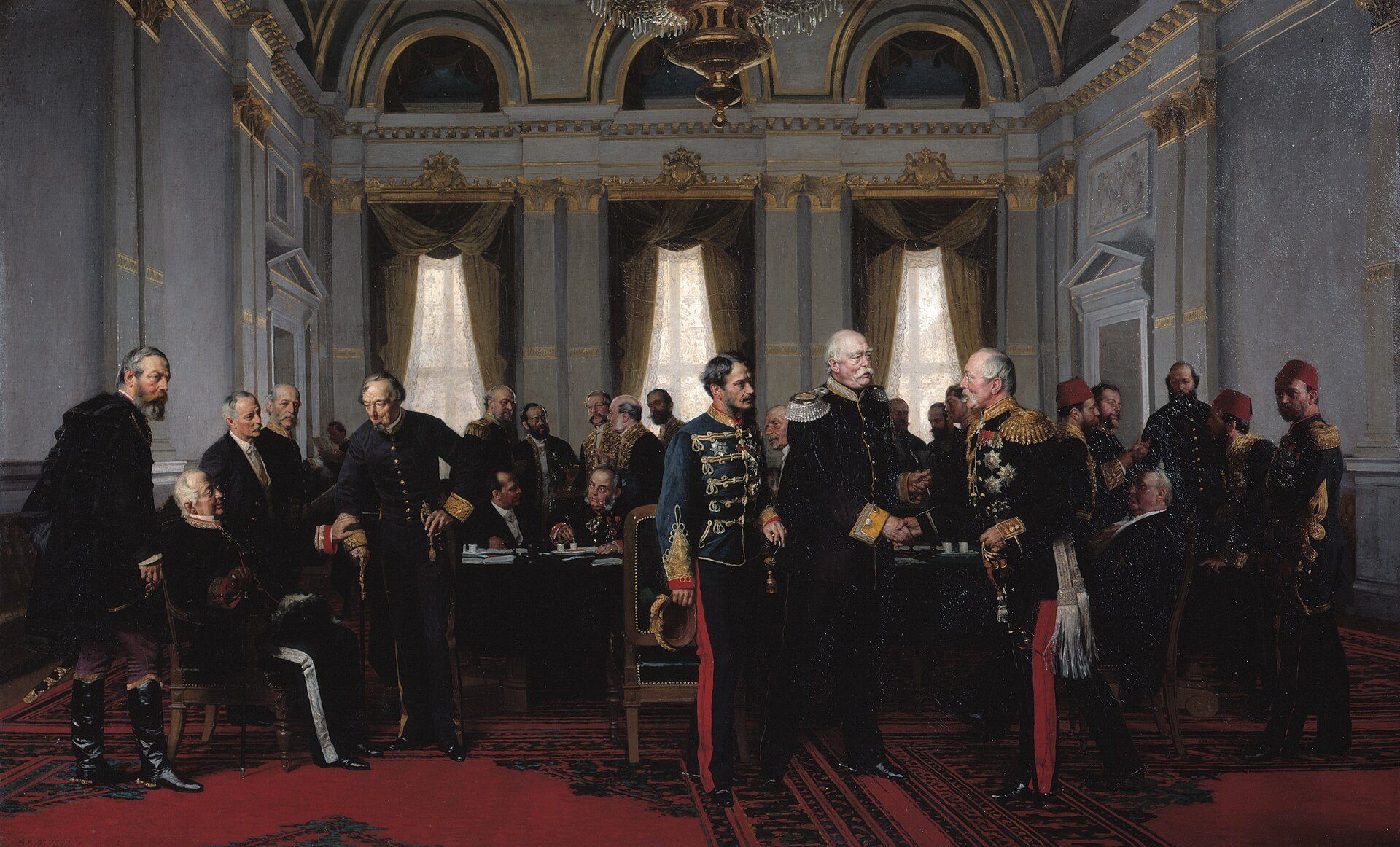
In the 19th century a new word came to the Balkans: nation. Great powers – Vienna, St Petersburg, Constantinople, later Berlin – drew borders on maps no shepherd had ever seen. In 1878, at the Congress of Berlin, decisions were made about villages whose names the diplomats could not pronounce. Programmes such as the Serbian Načertanije (1844) and the Albanian League of Prizren (1878) turned neighbours into opponents.
In the 20th century the game repeated itself – most recently in the 1990s, when Yugoslavia broke apart. Politicians and nationalists deliberately stoked fear of the neighbour through newspapers, radio and television in order to win power and land. In Kosovo, in Bosnia, in Croatia ordinary people paid the price – Serbs, Albanians, Croats, Bosniaks. Not one of them had wanted it.
It is the oldest recipe of power: Divide et impera – divide and rule. Whoever turns people against each other no longer has to rule them himself. And the history that then found its way into the schoolbooks was – as always – written by the victors.
And to this day nothing has changed. All over the world the media are in the hands of the powerful – and they are used to keep steering and manipulating people. My advice: put the newspapers down, switch off the news – public broadcasters included – and question everything, truly everything, very carefully.
The powerful of this world, too, will one day realise that all this is meaningless. They too will be judged unless they understand that they will never have enough. Only love – love for all living beings – can fill the black hole inside them that weighs on them and through which they would one day perish and vanish into nothingness. Love fills it with a strength that lives forever – and with a name that will never be forgotten.
We are everything – and so much more
Every child, every woman, every man in these mountains carries Serbs and Albanians, Illyrians and Slavs, Catholics, Orthodox Christians and Muslims within them. We are everything – and so much more. Just like every person in this world.
All of us really want just one thing: to get up in the morning, live the day with our loved ones, celebrate, be cheerful and happy – just as we were as children. The hatred was sown. It is not our heritage. It must finally come to an end.
Fundina means “end”. Let it be the end of hatred – and the beginning of something new.
Questions & answers
Where is Fundina?
Fundina is a village in the municipality of Podgorica in Montenegro, north-east of the capital in the territory of the Kuči tribe, close to the Albanian border.
What happened at the Battle of Fundina?
On 2 August 1876 about 5,000 Montenegrin fighters – Kuči under Marko Miljanov, other tribes and Albanian fighters from Zatrijebač – defeated an Ottoman army of about 40,000 men. The victory paved the way for Montenegro’s recognition in 1878.
Who are the Perković (Perkaj) of Fundina?
A brotherhood (bratstvo) in Ljuhari/Fundina in the Kuči area, recorded in the Montenegrin dictionary of surnames. Perkaj is the Albanian and Perković the Slavic form of the same name; the family unites Serbian, Albanian and Illyrian roots.
What does the name Fundina mean?
The name is usually derived from the Albanian word “fund” (end) – a reference to the village’s centuries-long position on the border.
Are Serbs and Sorbs related?
Yes, they share the same ancient ethnic name: Srbi (Serbs) and Serbja (Sorbs in Lusatia). According to the most widely held view, their ancestors came from the Slavic homeland between the Vistula and the Dnieper – today’s Ukraine, Belarus and Poland. A 10th-century Byzantine source tells of a migration of the “White Serbs” to the Balkans; whether it happened that way remains open.
Sources
- Battle of Fundina – Wikipedia
- Битка на Фундини – Википедија
- Fundina – Wikipedia
- Kuči (tribe) – Wikipedia
- Koja e Kuçit – Wikipedia
- Marko Miljanov – Wikipedia
- Pojedinosti iz bitke na Fundini – Montenegrina
- Prezimena u Crnoj Gori (P) – montenegro.org.au
- Rod Kuča – Poreklo
- Origin hypotheses of the Serbs – Wikipedia
- Early Slavs – Wikipedia
- White Croatia – Wikipedia
- Military Frontier – Wikipedia
- Congress of Berlin – Wikipedia
- Sorbs – Wikipedia
- Illyrians – Wikipedia
- Doclea – Wikipedia
- Mehmed Paša Sokolović Bridge – UNESCO
- Montenegro under the Ottoman Empire – Wikipedia
Background images
- Oliva in Bar.jpg – Кокан · CC0
- Valdanos, maslinjak, 2011-08-13 - panoramio.jpg – Zlatomir Bacic (Back… · CC BY-SA 3.0
- Skadar Lake, Montenegro 14.jpg – Miomir Magdevski · CC BY-SA 4.0
- Mountain reflections at sunset on Kotor Bay, Montengro.jpg – FLAVIA BRILLI · CC BY-SA 4.0
- Pavlova Strana, Rijeka Crnojevića, Cetinje.jpg – A81t · CC BY-SA 4.0
- Durmitor mountains (by Pudelek) 01.jpg – Pudelek · CC BY-SA 4.0
- BiogradskoJezeroSteg.jpg – Ramessos · CC BY-SA 3.0
- Komovi Štavna.jpg – Vuk Pajković · CC BY-SA 4.0
Legal notice (Impressum)
Private, non-commercial website.
Responsible: PERKOVIĆ (PERKAJ), MANUEL
Radišićeva 90, 25101 Sombor, Serbia
E-mail – also for legal matters and letters from lawyers or authorities: manuel.shotokan@gmail.com
Formal service of court documents is made to the address above.
A friendly note: this is a private website with no commercial intent whatsoever – and, as the saying goes, where there is nothing, there is nothing to take. Should you nevertheless notice an error or an infringement here, simply send me an e-mail. I will gladly correct it immediately – no lawyers and no costs for either side.
Images: Wikimedia Commons, author and licence given in each caption. Map: Natural Earth (public domain).
Privacy policy
Controller
The person responsible for this private website is Manuel Perković (Perkaj), Radišićeva 90, 25101 Sombor, Serbia, e-mail: see legal notice. The site pursues no commercial purposes whatsoever.
In brief
This site sets no cookies, uses no advertising and no analytics or tracking services, and loads fonts and images from its own server. Data flows to third parties (Google/YouTube) only if you expressly allow the background music.
Hosting and server logs
The site is hosted by STRATO GmbH, Otto-Ostrowski-Straße 7, 10249 Berlin, Germany. When the site is accessed, the server processes technically necessary data (IP address, date and time, page requested, browser identifier) in log files in order to deliver the site and protect it against misuse. The legal basis is Art. 6(1)(f) GDPR (legitimate interest in secure operation). The logs are deleted by the host after a short time.
Visitor counter
At the very bottom, the site shows how many visitors there have been so far. For this purpose, a non-reversible check value is created from your IP address together with a random key that changes daily, so that the same visitor is counted only once per day. The IP address itself is not stored; the check values and the key are deleted by the following day at the latest. Only the total count is kept. Legal basis: Art. 6(1)(f) GDPR.
Background music via YouTube
The soft background music is played via YouTube, a service of Google Ireland Limited, Gordon House, Barrow Street, Dublin 4, Ireland. The player is loaded only after you have chosen “Allow music” (consent under Art. 6(1)(a) GDPR and § 25 (1) TDDDG, the German Telecommunications Digital Services Data Protection Act). We use the privacy-enhanced mode (youtube-nocookie.com). In doing so, Google receives, among other things, your IP address and technical information about your device; Google may also process data in the USA (adequacy decision: EU–US Data Privacy Framework). More information: https://policies.google.com/privacy
You can withdraw your consent at any time with effect for the future – via the link “Cookie & music settings” at the very bottom of the page.
Stored settings
Your choice regarding the music is saved in your browser’s local storage (localStorage) so that the notice does not appear on every visit. This is technically necessary (§ 25 (2) TDDDG); the information does not leave your device.
Share button
The share button is a simple link. Only when you click on a service (e.g. WhatsApp or Facebook) does it open and receive the address of this page. No data is transmitted before that.
Contact by e-mail
If you write to me, I process your details solely to respond to your enquiry (Art. 6(1)(f) GDPR) and delete them afterwards.
Your rights
You have the right of access, rectification, erasure, restriction of processing, data portability and objection (Art. 15–21 GDPR), as well as the right to withdraw your consent at any time. You may also lodge a complaint with a data protection supervisory authority, for example the authority where you live in the EU.